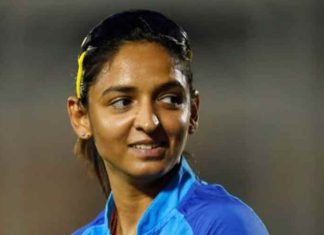


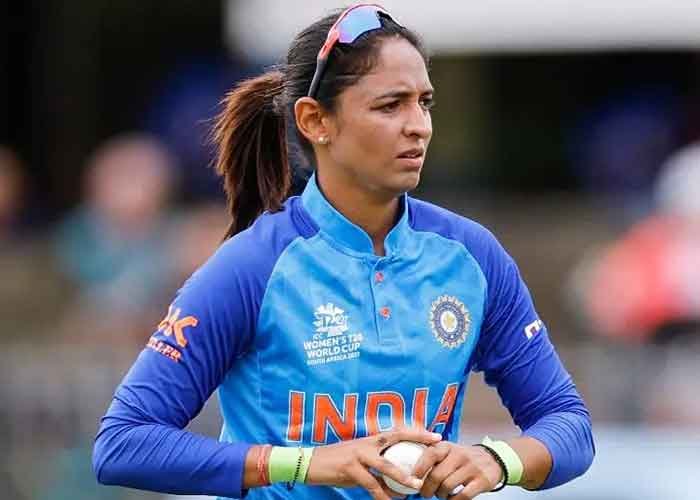
Former India captain Anjum Chopra believes Harmanpreet Kaur’s greatest legacy as the national women’s team skipper will be guiding India to the 2025 Women’s ODI World Cup title on home soil, saying she leaves behind a stronger, more confident and experienced side than the one she inherited.
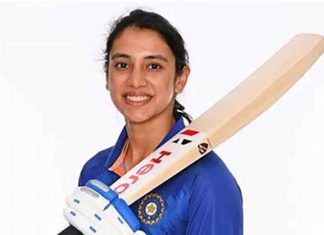
Harmanpreet stepped down as India’s captain across formats this week after nearly a decade in charge, with Smriti Mandhana named as her successor. Harmanpreet led India in five Tests, 51 ODIs and 155 T20Is, signing off from her tenure by guiding the team to its second consecutive Asian Games gold medal in Nisshin, Japan, last month.
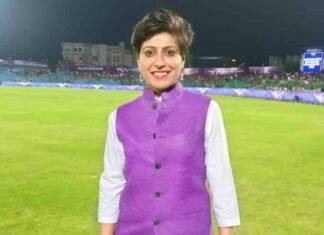
Speaking to IANS, Chopra said the World Cup victory would define Harmanpreet’s tenure, particularly because it reflected the collective contribution of the team and the captain’s growth over the years.
“The biggest legacy Harmanpreet will always have to her credit as a leader is winning the ODI World Cup in 2025. Look at how her batting shaped up in that tournament — in the league games, the semifinal, and the final, and how the team evolved to get there through everyone’s contribution. It wasn’t just Harman. With every player contributing, Harman was able to lift that crown and India was able to win,” Chopra said.
She added that Harmanpreet had grown alongside the team, particularly since taking over the ODI captaincy, as women’s cricket increasingly shifted towards T20 internationals alongside the 50-over format.
According to Chopra, India are now world champions in ODIs and a more skilful, energised and experienced unit than when Harmanpreet assumed leadership. She said the aggression and confidence the captain brought into the dressing room would remain important to the team’s future.
Chopra, who first encountered Harmanpreet at a training camp in 2008, said the cricketer’s personality had remained remarkably consistent despite the dramatic transformation of women’s cricket.
Recalling Harmanpreet’s journey from her first World Cup appearance against Pakistan in 2009 to becoming a world champion captain, Chopra described her as calm and balanced, while also being demanding of her teammates on the field.
She said Harmanpreet was quick to point out lapses in fielding but equally prompt in appreciating a good catch, wicket or fielding effort. Chopra felt this combination of high expectations and encouragement had helped shape the team’s culture.
The former captain also recalled how India’s changing results had gradually strengthened Harmanpreet’s identity as a leader. She cited the batter’s century against New Zealand in the 2018 T20 World Cup in Guyana as an early example of the aggressive approach associated with her leadership.
Chopra said Harmanpreet’s influence became particularly evident after she took over as all-format captain in 2022, following Mithali Raj’s retirement. Although India had experienced several near misses at major tournaments, the team continued to develop alongside its captain.
India’s eventual ODI World Cup triumph followed setbacks at the 2017 World Cup, the 2023 ODI World Cup semifinal against Australia and the 2024 T20 World Cup. Chopra said a captain must balance personal ambitions with the pace at which the team is ready to progress.
She rejected suggestions that India’s early exits from the 2024 and 2026 T20 World Cups were necessarily a captaincy failure, arguing that the team’s batting approach, preparation and execution required closer examination.
Chopra pointed out that Indian players had demonstrated their ability to score 200-plus totals and chase demanding targets in franchise cricket, particularly in the Women’s Premier League, but had struggled to reproduce that approach consistently on the international stage.
She argued that a captain could influence the team but could not independently determine how every batter, bowler or wicketkeeper performed.
Chopra also highlighted India’s bowling depth as a longstanding concern, saying the team had relied on Shafali Verma to provide crucial wickets during the 2025 World Cup campaign. While celebrating the title, she maintained that the need to strengthen the bowling reserves remained.
“If changing captaincy guarantees ICC trophies, then change it every tournament — no harm in that,” Chopra said, stressing that players themselves must establish and execute the template required to compete successfully at the highest level.
Discussing Harmanpreet’s repeated reference to sacrifice in her social media post announcing her resignation, Chopra said leadership often requires putting the team’s needs ahead of personal preferences.
She cited decisions involving batting positions, bowling responsibilities, fielding placements and team selection as examples of the compromises captains must make for collective success.
Chopra said the responsibility was mentally and physically demanding, with captains constantly thinking about the preparation, confidence and well-being of their teammates. She added that the full weight of leadership became apparent only after a player assumed the role.
Reflecting on Harmanpreet’s departure, Chopra said her legacy would ultimately be measured not only by the World Cup trophy but also by the stronger team culture and greater confidence she helped build during her tenure.
 FOLLOW NOW