
New Delhi, November 4, 2026 (Yes Punjab News)
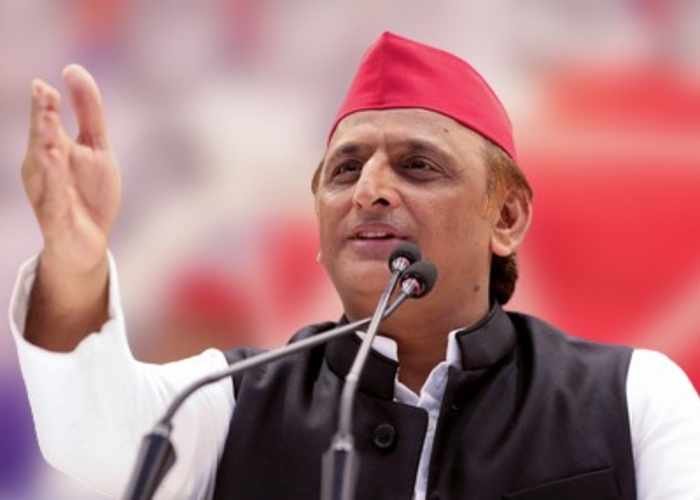
The Opposition in Uttar Pradesh may have gained political momentum following the 2024 Lok Sabha elections and recent Legislative Council polls, but unresolved seat-sharing negotiations could weaken its prospects in next year’s Assembly elections.
Led by the Samajwadi Party (SP), the Opposition bloc has reasons to be optimistic. The SP-Congress alliance performed strongly in the 2024 Lok Sabha elections, where a workable seat-sharing arrangement helped prevent a division of Opposition votes. The BJP, meanwhile, lost more than two dozen seats compared with its 2019 performance.
Recent elections to 11 graduate and teachers’ constituency seats in the state also delivered setbacks to the BJP in its strongholds of Varanasi and Lucknow, while Gorakhpur witnessed a close contest.
However, translating these gains into an effective Assembly campaign will require the alliance partners to settle their competing demands. The SP, as the largest Opposition constituent in the state, is expected to seek a substantial share of constituencies, while the Congress and other partners will also push for seats based on their respective organisational strength and electoral ambitions.
Seat allocation is likely to involve difficult calculations, including previous electoral performance, caste and religious equations, local leadership, organisational reach and the viability of prospective candidates.
The risks of failing to reach an agreement are evident from earlier elections. The 2017 SP-Congress alliance, promoted through the “UP ke ladke” campaign featuring Akhilesh Yadav and Rahul Gandhi, failed to make a significant electoral impact. The BJP won 312 Assembly seats, while the SP secured 47 and the Congress just seven.
Prolonged negotiations can also leave candidates with insufficient time to build local campaigns, mobilise workers and connect with voters. Disagreements may result in rebel candidates, poor coordination and confusion among supporters.
The Opposition’s experience in Bihar has also underlined how alliance-management challenges can affect electoral performance.
The BJP, which has repeatedly demonstrated its ability to remain in election mode, could benefit if its rivals spend valuable time negotiating seats instead of preparing for the campaign.
For the Opposition, the challenge is therefore not merely to preserve its recent political gains but to convert them into a coordinated electoral strategy before the Assembly contest gathers pace.
 FOLLOW NOW