
New Delhi, October 21, 2026 (Yes Punjab News)
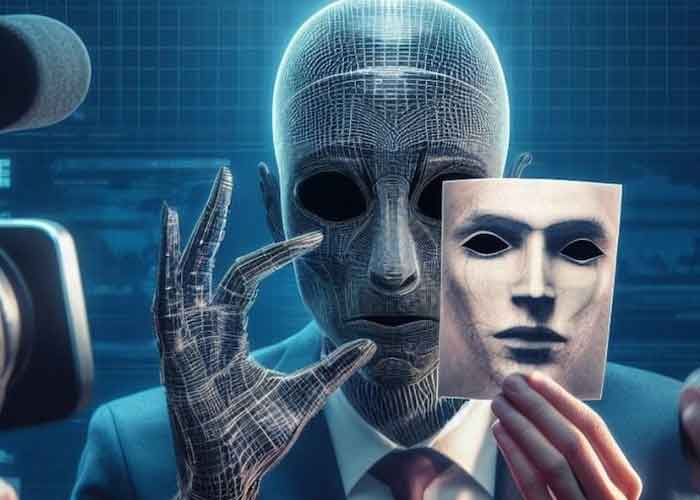
Intelligence agencies have flagged the growing threat of artificial intelligence (AI)-generated deepfakes ahead of the 2027 Assembly elections, identifying Uttar Pradesh, Punjab and Manipur as states requiring particular attention amid concerns that fabricated political content could be used to influence public opinion.
The Union government has repeatedly issued advisories warning about the risks posed by AI-generated deepfakes and their potential to compromise digital systems. The Securities and Exchange Board of India (SEBI) has also warned against the “Boss Scam”, in which fraudsters impersonate chief executives and senior officials to trick finance teams into transferring funds.
While deepfakes have been a concern for some time, intelligence officials warn that the approaching elections could lead to a significant increase in the volume and circulation of fabricated political content.
Seven states — Goa, Gujarat, Punjab, Himachal Pradesh, Uttarakhand, Uttar Pradesh and Manipur — are scheduled to hold Assembly elections in 2027, with polls expected between February and December.
Intelligence agencies are particularly monitoring Punjab, Uttar Pradesh and Manipur, where officials anticipate an elevated risk of attempts by elements seeking to exploit political tensions.
An Intelligence Bureau official said the political atmosphere in the country was already charged, with protests against the Special Intensive Revision (SIR) underway. The official warned that the situation could encourage the circulation of AI-generated material.
“AI-generated videos of top politicians will be the most preferred choice of these elements. Elements, not just from across the border, but those within the country would look to create such deepfake videos and circulate them widely on social media,” the official said.
Another official said the concern extended beyond the creation of fabricated videos to the sheer volume of content that could be produced and circulated as the elections approached.
“In normal circumstances, such elements would push five to ten videos a day of political leaders with fake messages being attributed to them. However, as the elections near, such elements would look to generate at least 100-150 deepfake videos a day and circulate them widely,” the official said.
According to the official, flooding digital platforms with fabricated videos could overwhelm fact-checkers and authorities attempting to identify and debunk misleading content. With so many videos circulating simultaneously, some could remain online without being challenged, allowing false narratives to spread.
Officials also expressed concern about the potential impact in rural areas, where awareness of deepfake technology may be lower than in urban centres.
One official said people in urban areas were generally more familiar with such technology and that at least 30 per cent could identify and debunk this kind of content. The official expressed concern that audiences in rural areas could be more vulnerable to misleading videos, particularly when they are widely forwarded through personal networks.
“In many cases, it has also been found that many do not even bother to check what the fact-checkers or the government and agencies are saying about these videos,” the official said.
Such behaviour, officials warned, could allow fabricated content to remain in circulation even after it has been debunked, increasing the risk that false claims may influence public perceptions.
Figures cited in the report underline the scale of the challenge. A survey conducted in 2024 found that 22 per cent of Indians had encountered political deepfakes, while a separate study found that 50 per cent of respondents had watched deepfake videos within a 12-month period. During the 2024 Lok Sabha elections, 75 per cent of voters were reportedly exposed to synthetic media.
According to officials, those spreading political deepfakes are adapting their methods to different audiences. In urban areas, fabricated videos are expected to circulate primarily through platforms such as X and YouTube, while rural audiences could be targeted through WhatsApp forwards and large-scale voice-cloning campaigns.
Although legal requests can be made to platforms such as YouTube, X and Instagram to remove misleading content, officials said the rapid spread of material through private messaging channels poses a particular challenge. Videos forwarded directly to mobile phones can circulate widely before authorities or fact-checkers respond.
Agencies are especially concerned about the possible impact in Punjab, Manipur and Uttar Pradesh. In Uttar Pradesh, officials anticipate a substantial push in rural areas. In Punjab and Manipur, they fear that large-scale circulation of fabricated political videos could aggravate existing tensions and disturb the local atmosphere.
An official said anti-national elements could attempt to exploit these vulnerabilities by circulating political deepfakes on a large scale as the 2027 elections approach.
 FOLLOW NOW