
New Delhi, September 23, 2026 (Yes Punjab News)
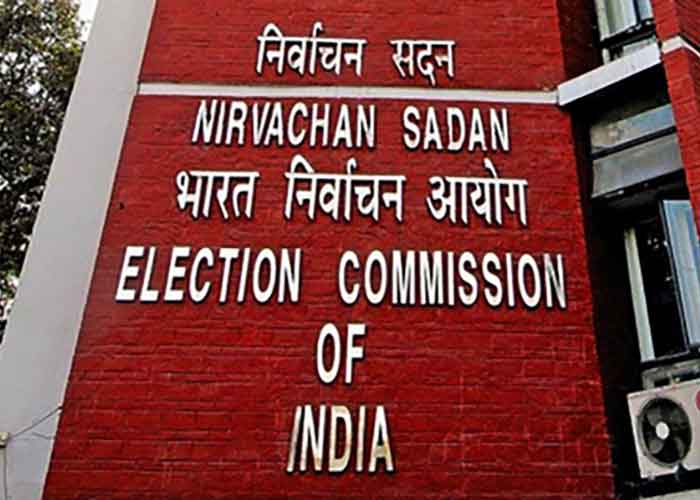
The Election Commission of India (ECI) on Wednesday rejected suggestions that differences among its three members amounted to an institutional breakdown, saying internal objections and written notes are part of the functioning of a multi-member constitutional body.
The response came after a report said Election Commissioners Sukhbir Singh Sandhu and Vivek Joshi had raised 14 formal objections over 10 months on decisions concerning electoral rolls, including aspects of the Special Intensive Revision (SIR).
The ECI said internal checks and recorded objections are intended to promote transparency and ensure legal compliance. Under the 2023 law governing the Commission’s functioning, its business is to be conducted as far as possible unanimously, while differences are resolved through the prescribed majority process.
The Commission said around 40 initiatives introduced during the past year had received unanimous approval from all three members. It also said elections had been conducted in Bihar, Kerala, Tamil Nadu, Puducherry, Assam and West Bengal.
On concerns surrounding Form 6, the statutory application used for voter registration, the ECI said its May 2026 SIR order had already provided for a separate declaration to accompany the form. The declaration sought information on whether the applicant or a relative appeared in the previous SIR roll.
The two Election Commissioners had reportedly questioned changes made to Form 6 and also raised concerns over access to the electoral-roll database. The ECI, however, maintained that electoral rolls continue to be handled by the statutory Electoral Registration Officers and that ECINet operates with security, audit and access-control mechanisms.
The Commission also disputed the description of more than 13 crore names as “deletions”, saying the figure referred to names not carried forward into draft rolls. The SIR process provides for claims, objections, hearings and publication of final rolls.
In West Bengal, the ECI said more than 1.26 lakh appeals had been resolved and 1.14 lakh voters restored. In Goa, 97 voters were found eligible after hearings, although a software limitation prevented their restoration before the final-roll deadline.
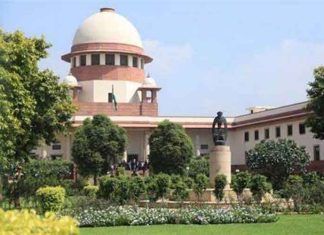
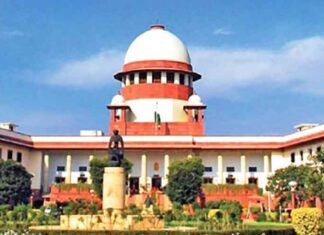
The legal backdrop includes the Supreme Court’s May 27, 2026 judgment upholding the ECI’s authority to conduct SIR under Article 324 of the Constitution read with Section 21(3) of the Representation of the People Act, 1950. The court held that the Bihar SIR exercise had a legitimate purpose and complied with applicable procedural safeguards.
The reported differences within the Commission have nevertheless intensified scrutiny over transparency, decision-making and the administration of electoral rolls. The ECI has maintained that recorded objections and subsequent decisions through the prescribed constitutional and statutory process represent internal checks within a multi-member institution.
 FOLLOW NOW