New Delhi, September 23, 2026 (Yes Punjab News)
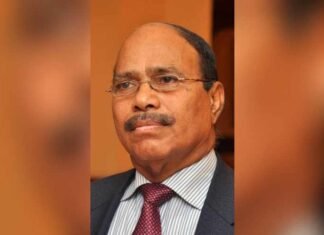
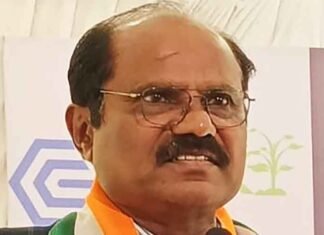
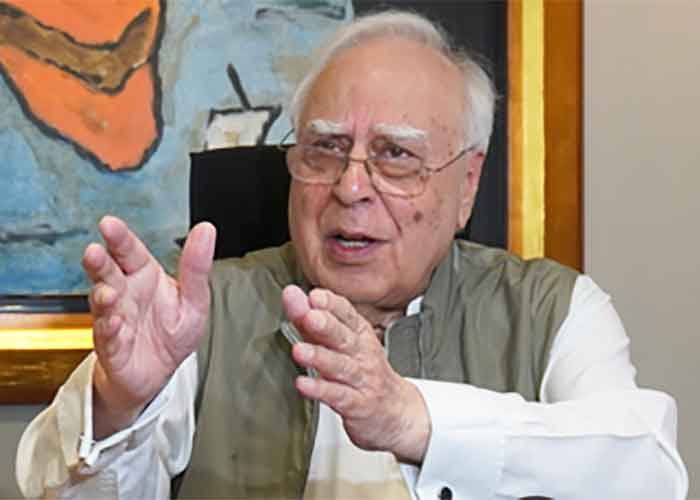
Former Union Minister and Rajya Sabha MP Kapil Sibal on Wednesday alleged that Chief Election Commissioner Gyanesh Kumar had taken decisions “arbitrarily” amid the ongoing controversy over reported differences within the Election Commission of India (ECI).
The controversy followed an investigative report by a leading daily claiming that Election Commissioners Sukhbir Singh Sandhu and Vivek Joshi had raised objections on record on 14 occasions over a 10-month period concerning decisions and processes of the poll panel.
The report alleged that the Commissioners were kept unaware of certain matters and raised issues relating to the addition of voters and deletion of names from electoral rolls.
Speaking to reporters, Sibal said the three-member Election Commission was required to take decisions by majority and claimed that the majority had not supported Gyanesh Kumar on several matters.
“Today, it has been established that the majority was not with Gyanesh Kumar. Gyanesh Kumar was making decisions arbitrarily according to his own whims — how to run the election, what the ERO should do, which form to file; Gyanesh Kumar was deciding all this,” Sibal alleged.
Referring to Sandhu and Joshi, Sibal claimed that both Election Commissioners had repeatedly objected to decisions taken by the CEC.
He said the reported objections had allegedly been ignored and that some of the issues did not come before the full Election Commission for consideration.
Sibal also raised questions over the legal basis and scale of the Special Intensive Revision (SIR) of electoral rolls. He claimed that the Election Commissioners had pointed to provisions under the Representation of the People Act that allow such a special revision only in exceptional circumstances.
According to Sibal, the earlier precedent he cited involved a special revision in a limited area rather than across the country. He questioned the decision to undertake the exercise on a nationwide scale.
He alleged that the process could affect decisions over which voters remain on electoral rolls and whose names are added or removed.
Sibal also questioned the use of Form 6, which is used for the inclusion of a new voter in the electoral roll. He pointed to the declaration required from applicants and raised concerns about situations in which names of parents or grandparents may not appear on electoral rolls or an existing voter’s name may have been removed.
Another issue raised by Sibal concerned the centralisation of multiple portals and applications used in the electoral process. He alleged that around 40 portals and applications had been brought under a centralised system and raised concerns about the implications for electoral-roll management.
He further alleged that names had been removed from electoral rolls across multiple states and claimed that the scale of deletions could increase if the process continued.
Sibal said the Congress had already placed several of these concerns before the Supreme Court and would continue raising them during hearings on the matter.
The Election Commission, however, rejected the newspaper’s report that two Election Commissioners had “objected on record” to several decisions taken by the poll panel without their knowledge.
The ECI’s position thus contrasts with the account cited by Sibal in his criticism of the functioning of the poll body.
 FOLLOW NOW