Chandigarh, September 29, 2026 (Yes Punjab News)
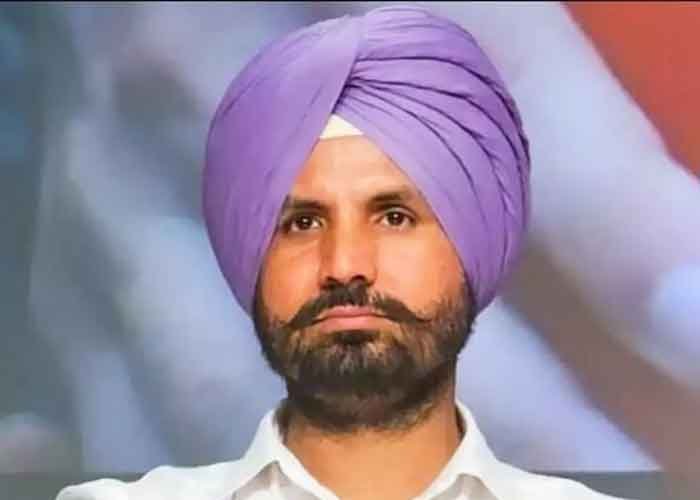
Punjab Congress president and Ludhiana MP Amarinder Singh Raja Warring has sought the intervention of Union Home Minister Amit Shah over the alleged denial of voter registration to first-time voters in Punjab during the ongoing Special Intensive Revision (SIR) of electoral rolls.
In a letter to Shah, Warring said several young men and women who had attained the age of 18 and applied for voter registration through Form 6 were turned away by authorities and asked to establish whether their parents or grandparents were listed in the electoral rolls during the last intensive revision conducted more than two decades ago.
Warring argued that the requirement had created difficulties for eligible first-time voters and could prevent them from being included in the electoral roll to be finalised ahead of the 2027 Punjab Assembly elections.
Referring to Article 326 of the Constitution, the Punjab Congress chief said citizenship, attainment of 18 years of age and ordinary residence were the relevant conditions for eligibility to vote. He also cited the Representation of the People Act, 1950, which provides for the inclusion of eligible voters through continuous updation of electoral rolls.
He maintained that the provision of four qualifying dates annually for voter registration should ensure that eligible young citizens are not excluded merely because of the ongoing revision exercise.
Warring acknowledged that the Election Commission had subsequently clarified that the additional declaration would not be required after the completion of the revision. However, he said the clarification did not resolve the cases of applicants whose claims had already been rejected or turned away before the September 12 deadline for filing claims and objections in Punjab.
“The young people turned away during it stand outside the roll to be finalised next month, and that roll is the one Punjab takes into 2027,” he said.
Seeking the Home Minister’s intervention, Warring contended that the determination of citizenship fell within the jurisdiction of the Central Government under the Citizenship Act, 1955, and was not a matter to be decided independently by the Election Commission.
He also referred to the Ministry of External Affairs’ position that an Indian passport is a travel document and does not, by itself, constitute proof of citizenship. Questioning the absence of a universally applicable standard, he sought clarity on the documents that could conclusively establish Indian citizenship before electoral authorities.
Warring further referred to Chief Election Commissioner Gyanesh Kumar’s previous service in the Union Home Ministry, arguing that a clear clarification from the ministry on the legal requirements for establishing citizenship would help resolve the issue.
The Punjab Congress president urged Shah to facilitate the issuance of citizenship certificates to eligible applicants producing documents such as birth certificates or school records. Alternatively, he sought a formal notification specifying the documents accepted as proof of Indian citizenship by all authorities, including the Election Commission.
He also called for the acceptance of eligible first-time voters’ Form 6 applications through the continuous updation process without requiring them to furnish declarations concerning their grandparents’ electoral registration.
 FOLLOW NOW