New Delhi, September 29, 2026 (Yes Punjab News)
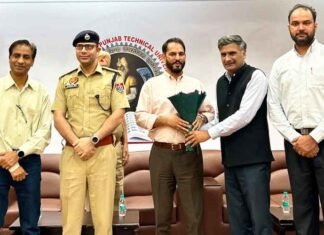
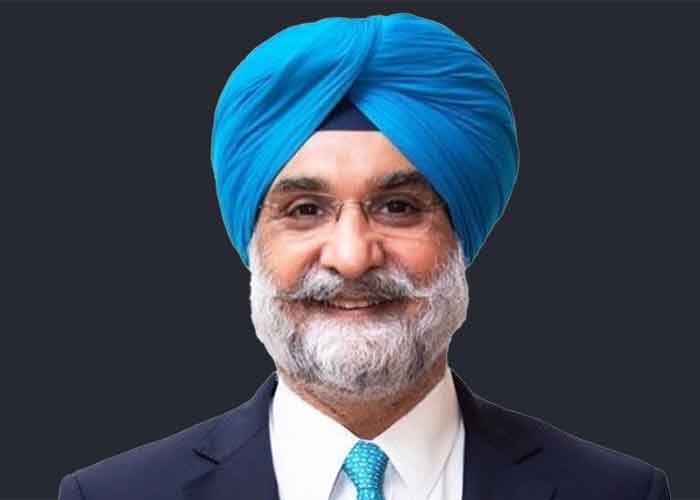
Delhi Lieutenant Governor T.S. Sandhu on Tuesday directed technical universities in the national capital to develop technology-driven solutions to civic challenges, including sanitation, traffic management, road conditions and urban flooding.
Chairing the 6th Court Meeting of Netaji Subhas University of Technology (NSUT) at Lok Niwas, Sandhu called for translating academic research into practical solutions to address Delhi’s real-world problems.
Emphasising the vision of a Viksit Dilli, the Lieutenant Governor said the focus must shift from research to solutions and from innovation to tangible impact.
“AI education must stay future-ready through global collaboration, with focus on transformative applications, especially AI-enabled healthcare in government hospitals,” he said.
Sandhu appreciated NSUT’s academic growth and urged the university to sharpen its focus on research that delivers practical outcomes. He said that, as a technical institution, NSUT should work towards developing technological solutions for the city’s pressing civic concerns, drawing on global best practices.
He directed the university to coordinate with expert agencies and provide technology-based support to government departments and civic bodies, including the Municipal Corporation of Delhi (MCD), New Delhi Municipal Council (NDMC), Delhi Police, the Health Department, Public Works Department (PWD) and the Transport Department. The solutions, he said, should be tailored to the specific requirements of each agency.
The Lieutenant Governor also called for skill-based courses aimed at improving employability, particularly in emerging areas such as artificial intelligence, cybersecurity and digital tools.
Highlighting the importance of international collaboration, he urged NSUT to leverage academic and industry partnerships to upgrade its capabilities and strengthen its global competitiveness. He said academic rigour, research excellence and international engagement should help improve the university’s national and global rankings.
On community engagement, Sandhu directed NSUT to continue its activities in adopted villages, focusing on employability, awareness of financial activities and sports, particularly team games, to encourage teamwork. He also stressed the need to maintain records and feedback on these initiatives.
He further asked the university to adopt urban centres and colonies in collaboration with their respective Residents’ Welfare Associations (RWAs).
Sandhu also called for encouraging students from the National Cadet Corps (NCC) and National Service Scheme (NSS) to participate in resolving civic issues. He directed the university to institute suitable awards to recognise student involvement and outstanding performance in university activities.
 FOLLOW NOW