
New Delhi, September 26, 2026 (Yes Punjab News)
Pakistan’s Inter-Services Intelligence (ISI) is reportedly reassessing its strategy in Jammu and Kashmir and may seek to revive a model centred on local recruitment and social media influence, according to Indian intelligence inputs cited in the report.
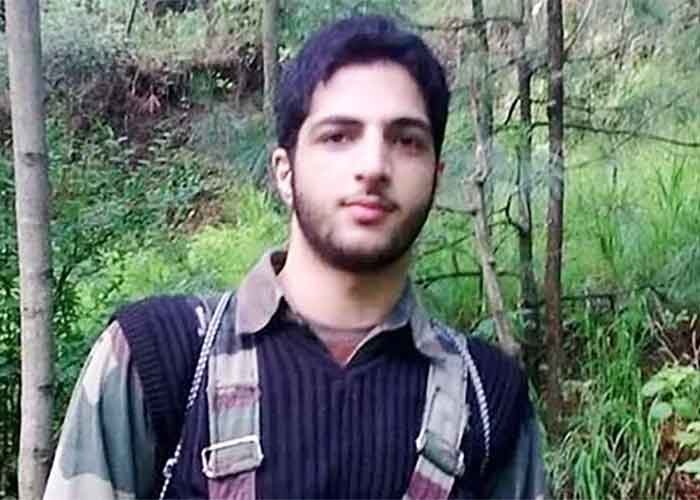
Officials quoted in the report said the agency could seek to cultivate a locally rooted figure capable of attracting Kashmiri youth to militancy, drawing comparisons with slain Hizbul Mujahideen commander Burhan Wani, whose use of social media helped build a prominent public profile before his death in 2016.
According to the inputs, the ISI had subsequently relied on proxy outfits, including The Resistance Front (TRF) and the People’s Anti-Fascist Front (PAFF). Indian officials have described TRF and PAFF as fronts for Lashkar-e-Taiba and Jaish-e-Mohammed respectively.
The report said the strategy also involved presenting such groups with non-religious names and describing militants as “freedom fighters” and Indian security forces as “occupational forces”.
An Intelligence Bureau official quoted in the report said the post-Wani strategy had not produced the intended results and that the Pakistani origins of the proxy groups had become apparent.
Officials further claimed that changes following the abrogation of Article 370, along with security operations and an increase in tourism, had altered the situation in Jammu and Kashmir.
The report said the new ISI leadership could seek to revive Hizbul Mujahideen and reduce dependence on Pakistani militants by promoting a more locally recruited module. Officials cited Wani’s social media presence and his ability to attract recruits as factors that could influence such an approach.
Wani’s prominence on social media and his role in mobilising youth have been documented in research and reporting on militancy in Kashmir.
The intelligence assessments and officials’ claims about the ISI’s current plans remain assessments rather than independently established facts. Any fresh recruitment or militant activity would depend on developments on the ground.
 FOLLOW NOW