
Amaravati, October 29, 2026 (Yes Punjab News)
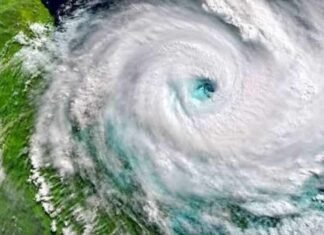
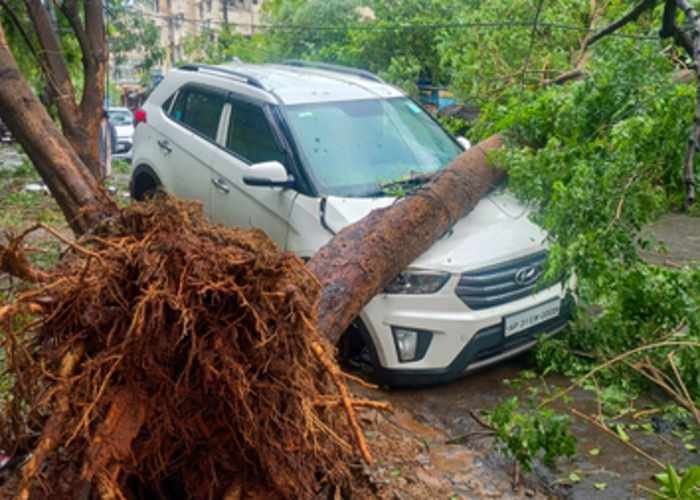
Cyclone Arnab has claimed seven lives and caused preliminary damage estimated at ₹4,600 crore in Andhra Pradesh, Chief Minister N. Chandrababu Naidu said on Thursday, cautioning that the losses could rise after a detailed assessment.
After an aerial survey of affected areas, Naidu said he had briefed Union Home Minister Amit Shah on the cyclone’s impact and the state government’s response. He has also submitted a preliminary damage report to the Centre. Central assessment teams are scheduled to visit the state on Friday.
The Chief Minister surveyed cyclone-hit areas of B.R. Ambedkar Konaseema district, visited relief centres at Gachakayalapora village and interacted with affected families.
Announcing relief measures, Naidu said compensation of ₹1,500 would be paid for every damaged coconut and oil palm tree. Families returning from relief camps would receive 25 kg of rice, a packet of essential commodities and financial assistance for immediate expenses.
Farmers covered under crop insurance would be eligible for compensation if their yields decline because of the cyclone. Assistance for damage to agricultural and horticultural crops would be transferred to beneficiaries’ bank accounts after assessment, he said.
Recalling the state’s experience with previous disasters, including the Diviseema cyclone, Hudhud and Titli, Naidu said lessons from earlier calamities had helped the government strengthen its preparedness. He described the loss of seven lives despite precautionary measures as deeply distressing.
Konaseema and West Godavari were among the worst-affected districts. Fallen trees were being cleared to restore road connectivity, while around 8,000 electricity poles had been brought down in Konaseema alone. The government was working to restore power and telecommunications services as quickly as possible.
Naidu said nearly 30,000 officials had been mobilised for relief and restoration work. The Telangana government had been requested to provide 1,000 electricity personnel, with additional teams from Karnataka and Tamil Nadu to be arranged if necessary.
The administration maintained continuous coordination with district collectors, police officials and other departments, while the Real Time Governance Society monitored relief operations across the affected districts.
 FOLLOW NOW