
New Delhi, November 3, 2026 (Yes Punjab News)
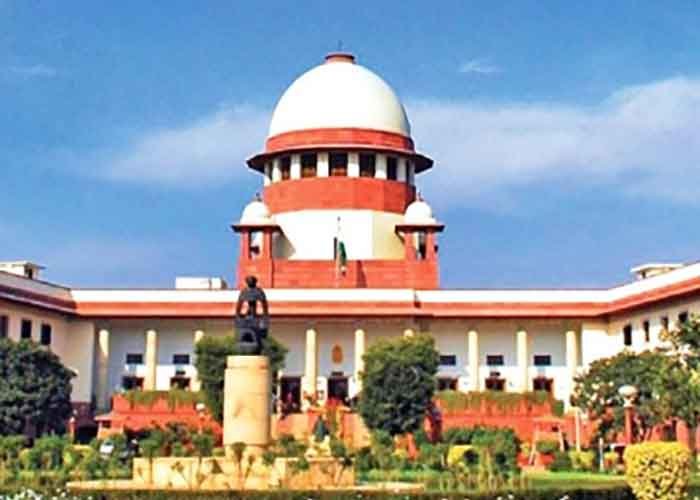
The Supreme Court on Tuesday observed that the right to protest does not allow any group to occupy a designated protest site indefinitely, stressing that public spaces must be allotted to different groups for specified periods.
A Bench comprising Chief Justice of India Surya Kant and Justices Joymalya Bagchi and V. Mohana made the observations while hearing petitions arising from the October protests in Delhi against Chief Election Commissioner Gyanesh Kumar.
“You cannot occupy a site for all time to come. There are other protesters. Where will the farmers go? Where will the workers go? Where will the trade unions go? Where will the homeless go? Everybody has a right to protest,” the Bench remarked, adding that no organisation could claim exclusive rights over a public space.
The court also stressed the need to balance the right to protest with the right to trade and earn a livelihood, particularly for daily-wage workers, street vendors and small shopkeepers affected by demonstrations.
Solicitor General Tushar Mehta told the court that permission for the Cockroach Janta Party’s protest in July had been granted for one day, but protesters continued occupying the site for 17 days. He also submitted that they later marched towards Parliament without the required permission.
The court issued notice on a plea by the Kirana Committee Delhi seeking a halt to protests during the festive period. It directed traders’ associations to implead the organisers of the anti-CEC protests in the proceedings.
The hearing also covered the Delhi Police’s use of facial recognition technology to identify protesters. Advocate Prashant Bhushan raised concerns over the practice, while Mehta argued that police independently verified identities before taking action and did not act merely on the basis of a software-generated match.
Justice Bagchi questioned whether identifying protesters through NCRB data was permissible under the existing legal framework. Senior advocates Hariharan and Menaka Guruswamy raised concerns about the rights of people with criminal records to participate in peaceful protests and the collection and storage of protesters’ personal information.
 FOLLOW NOW