
Mumbai, November 4, 2026 (Yes Punjab News)
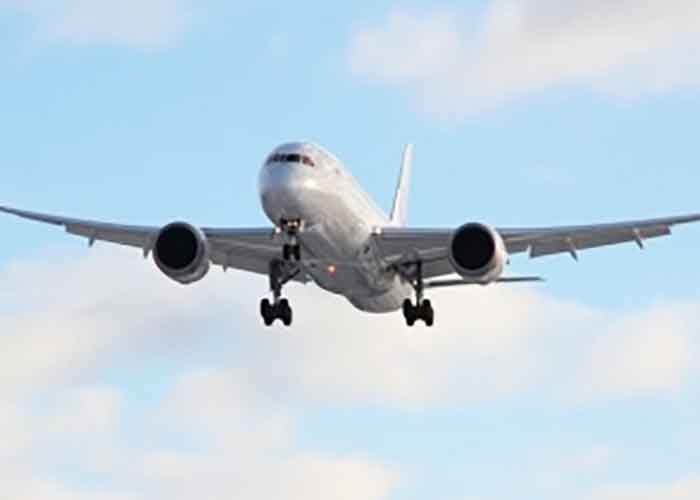
Foreign airlines operating from Mumbai’s Chhatrapati Shivaji Maharaj International Airport (CSMIA) have recommended shifting flights on 14 international routes to Navi Mumbai International Airport (NMIA) while Terminal 1 (T1) is redeveloped, according to sources.
Mumbai International Airport Ltd (MIAL) Chief Airport Officer Vishnu Mohan Jhahas has informed the Civil Aviation Ministry that foreign airlines conveyed the recommendation to Adani Airport Holdings Ltd (AAHL), which operates CSMIA, sources said. Indian carriers IndiGo, Air India Group and Akasa Air have also agreed to shift services to the new airport.
From March 28, 2027, the start of the IATA Summer Schedule, CSMIA will temporarily suspend slots for flights to Bahrain, Dammam, Dhaka, Doha, Fujairah, Jakarta, Jeddah, Kathmandu, Kuwait City, Madinah, Muscat, Ras Al Khaimah, Riyadh and Sharjah. These services will move to NMIA.
The arrangement is intended to keep flights on each route at a single airport in the Mumbai Metropolitan Region rather than split them between the two airports. According to the airport chief’s communication to the ministry, around 91 per cent of CSMIA’s existing capacity will remain unaffected.
MIAL needs to shift around five million passengers per annum (mppa) of traffic from CSMIA, with Indian carriers accounting for approximately three mppa. Consolidating Gulf-bound flights at one airport is aimed at reducing passenger inconvenience.
IndiGo has announced plans to progressively move 12 daily international departures to NMIA, expanding its international network there to 12 destinations between February and July 2027. Air India Express plans to begin four daily domestic flights from NMIA in December, followed by existing Oman services and proposed Kuwait services, subject to approvals, from January 2027. Services to Jeddah, Riyadh, Dammam, Doha, Muscat and Sharjah are scheduled to move by Northern Summer 2027. Akasa Air has also said its Mumbai-Jeddah service will shift to NMIA from December.
Commissioned in 1964, CSMIA’s ageing T1 is facing safety and structural concerns highlighted in independent audits by Structwel and IIT Bombay. Its redevelopment is considered necessary to address these vulnerabilities.
CSMIA currently has a capacity of around 55 mppa. The temporary transfer of five mppa is expected to leave approximately 91 per cent of its existing capacity unaffected. After the redevelopment of T1 and T2, the airport’s total capacity is expected to rise to 65 mppa, a senior official said.
The transition will be phased to avoid disruption to flight operations. Demolition of T1 is scheduled to begin in April 2027, while completion of the new terminal is targeted for December 2030.
MIAL has clarified that the demolition of T1 and the resulting temporary reduction in CSMIA traffic have already been factored into the approved tariff order following stakeholder consultations.
Under a modified variable tariff plan approved in September, new international routes at NMIA will pay no landing fee in the first year and half the rack rate in the second year. Long-haul routes covering more than 5,000 km will also receive a discount in the third year. NMIA is additionally offering cash vouchers to international passengers to offset the higher user development fee at CSMIA.
NMIA has an initial capacity of 20 mppa. Its international facilities include 55 check-in counters, 24 electronic gates, 26 emigration counters and 32 immigration counters.
 FOLLOW NOW