
New Delhi, October 24, 2026 (Yes Punjab News)
Pakistan is facing mounting security challenges on two fronts as the Tehreek-e-Taliban Pakistan (TTP) intensifies attacks in Khyber Pakhtunkhwa (KP) and Baloch separatist groups step up operations in Balochistan, putting pressure on the country’s security establishment and raising fresh concerns over China-backed infrastructure projects.
Intelligence inputs suggest that the TTP and the Balochistan Liberation Front (BLF) are planning simultaneous attacks in the two regions, including strikes on development projects linked to the China-Pakistan Economic Corridor (CPEC).
An Intelligence Bureau official said the security situation in KP and Balochistan remained grim, with Pakistani security agencies facing the challenge of managing multiple fronts simultaneously. The situation could also aggravate an existing shortage of security personnel.
According to the official, the groups are also planning to target senior Pakistan Army officers. Such attacks could damage morale within the security forces and further complicate military operations in both regions.
While attacks continue in KP, the BLF has reportedly launched “Operation Almas”, focusing heavily on development projects associated with CPEC.
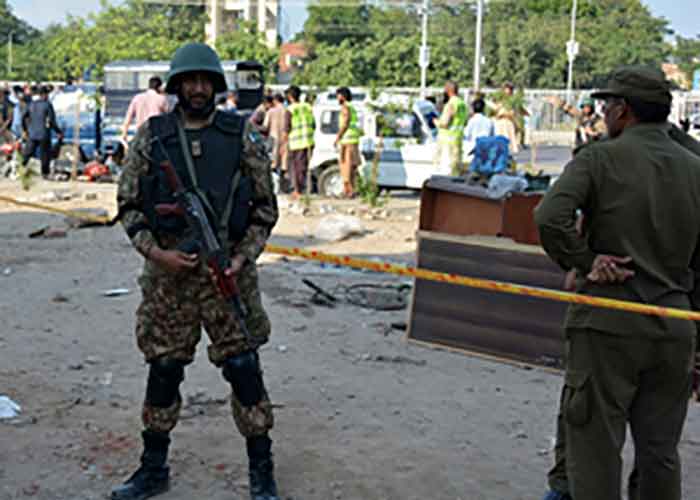
One of the latest attacks targeted the Frontier Works Organisation (FWO) at Gwadar Zero Point, killing seven Pakistani security personnel, according to the report. Among the senior officers reported killed during the operation were Military Intelligence Captain Sajjad and Lieutenant Colonel Hassan Mujahid.
The growing threat to infrastructure projects has added to Pakistan’s difficulties in managing its relationship with China. An official said Islamabad was struggling to balance security concerns with pressure from Beijing to protect Chinese investments and ensure progress on CPEC.
The Balochistan Liberation Army (BLA), the BLF and the TTP have repeatedly opposed Chinese investment in the region, according to the report. With Pakistan yet to address their stated demands, Chinese-backed infrastructure projects remain potential targets.
Gwadar is particularly significant because of its strategic role in CPEC, which aims to connect western China with the Arabian Sea through Pakistan. Attacks on projects in the port city could further undermine Chinese investments and complicate the corridor’s development.
Another official said Beijing was likely to increase pressure on Islamabad as attacks continued across multiple fronts. Pakistan, the official added, had yet to establish a concrete plan to contain the simultaneous threats.
The reported targeting of senior military officers is also a major concern for Pakistan’s security establishment. Officials fear that attacks on high-ranking personnel could weaken morale and potentially contribute to desertions at a time when the armed forces are already facing manpower constraints.
The scale of the personnel challenge was underscored by an emergency recall of retired military personnel, who were reportedly instructed to report by October 30, an official said.
With militant violence continuing in KP and Balochistan, Pakistan faces the dual challenge of containing the security threats while reassuring China about the safety of its strategic investments.
 FOLLOW NOW