

New Delhi, October 15, 2026 (Yes Punjab News)
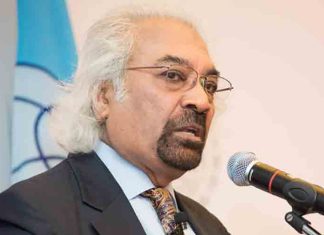
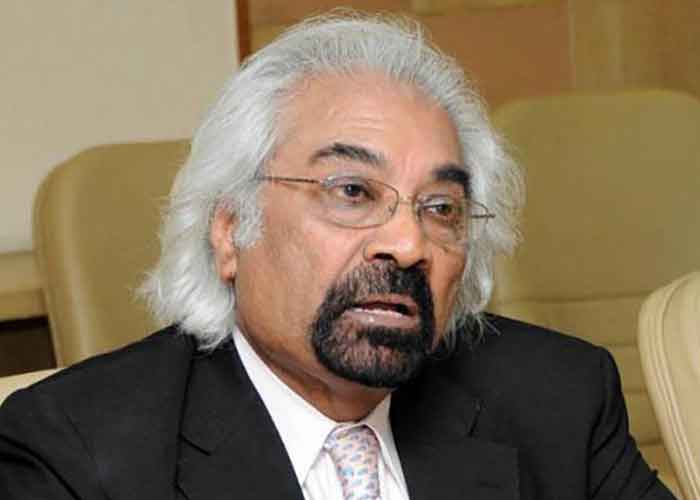
Indian Overseas Congress chief Sam Pitroda has described the Cockroach Janata Party (CJP) and the student movement as parts of a wider political and social churn in India, pointing to concerns over democratic institutions, electoral transparency, education, unemployment and economic inequality.
In an exclusive interview, Pitroda said the developments should be viewed in the broader context of governance and public dissatisfaction, arguing that several issues were unfolding simultaneously and contributing to a growing debate about the country’s direction.
He alleged that democratic institutions, civil society and media freedom were under pressure, while decision-making power was becoming increasingly concentrated. He also claimed that fear of investigations and legal action had discouraged some people from expressing dissent.
Pitroda raised concerns about electoral transparency, citing doubts and allegations relating to voter registration, electoral rolls, electronic voting machines (EVMs), vote counting and the handling of ballot boxes. He said such controversies had contributed to public distrust, while acknowledging that people could hold differing views on the allegations.
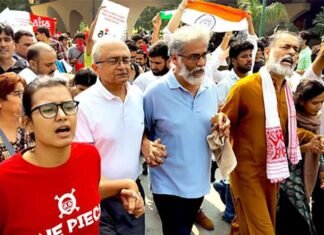
Explaining the emergence of CJP, Pitroda said the movement gained momentum after students felt hurt by being described as “cockroaches”. Their anger, he said, was fuelled by examination-related controversies, paper leaks, inadequate educational infrastructure, concerns about education quality, rising tuition fees, the influence of coaching centres and unemployment.
He said the movement had encouraged young people to speak fearlessly about issues affecting their future. While acknowledging that some protesters had used inappropriate language, Pitroda said he did not endorse such conduct but viewed it as an expression of their anger.
Referring to an article he had written, Pitroda compared the movement to the Arab Spring, describing it as the “Indian monsoon” and crediting young people with taking the initiative.
He also pointed to growing concerns among minorities, Other Backward Classes, Dalits and tribal communities over what he described as their exclusion from opportunities and decision-making.
Economic inequality was another major concern, with Pitroda citing stagnant wages, inflation and declining purchasing power. Although he acknowledged that India’s economy was growing at around 7 per cent, he questioned how widely the benefits were being shared.
“Who is getting the benefit? A handful of people? In the process, we have not created jobs. Wealth distribution is unequal,” he said.
Pitroda also highlighted concerns about public services, including mid-day meal delivery and the condition of school buildings, arguing that these issues formed part of a larger debate about governance, inequality and opportunities for the next generation.
 FOLLOW NOW