
New Delhi, November 4, 2026 (Yes Punjab News)
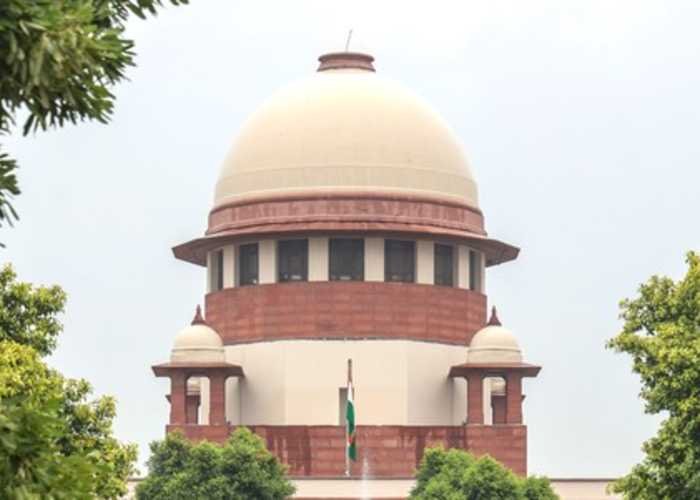
The Supreme Court has questioned whether laws disqualifying people with more than two children from contesting local body elections remain relevant, observing that India’s demographic profile has changed significantly since such restrictions were introduced.
A Bench noted that the country’s Total Fertility Rate (TFR) has declined below the replacement level of 2.1, raising concerns about an ageing population in the coming decades. It said the demographic circumstances that once justified strict population-control measures have undergone a substantial shift.
The observations came as the court set aside the disqualification of Mangala Bhimrao, former Sarpanch of Kakoda Gram Panchayat in Maharashtra, who had been barred from contesting elections following the birth of her third child.
While allowing her appeal, the Supreme Court referred its 2003 judgment in Javed vs State of Haryana to a larger Bench for reconsideration, reopening the constitutional debate over the two-child eligibility condition.
In the Javed ruling, a three-judge Bench had upheld provisions of the Haryana Panchayati Raj Act, 1994, which disqualified individuals having more than two living children from contesting panchayat elections.
The court noted that India’s TFR was around three children per woman when the judgment was delivered, making population control a major policy concern. Fertility rates have since fallen substantially, changing the context in which such restrictions were examined.
The larger Bench will now consider whether these disqualification provisions continue to have constitutional validity and policy relevance amid declining fertility and emerging concerns over demographic ageing.
The reference could have wider implications for similar restrictions governing eligibility to contest local body elections in different states.
 FOLLOW NOW