

United Nations, October 20, 2026 (Yes Punjab News)
India has urged countries to prevent the transfer of sensitive technologies that could be weaponised to states with a history of proliferation or links to terrorism, amid growing concerns over the possibility of weapons of mass destruction falling into the hands of terrorists and non-state actors.
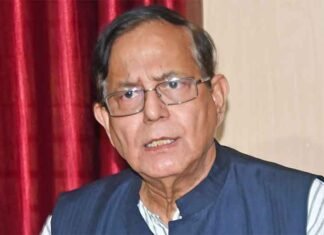
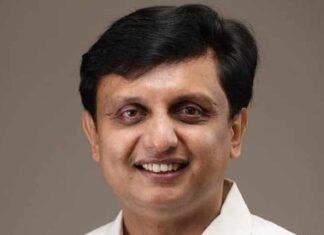
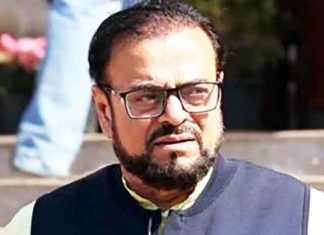
Addressing the UN General Assembly’s First Committee on Monday, Janata Dal (United) MP Alok Kumar Suman said the international community must remain vigilant against the diversion of sensitive technologies.
“India is deeply concerned about the risk of weapons of mass destruction falling into the hands of terrorists and non-state actors,” Suman said.
Without naming Pakistan, he stressed the need for greater scrutiny of technology transfers to countries with records of proliferation or links to terrorism.
“We encourage all member states to remain vigilant about the transfer or devolution of sensitive technology, particularly to those with a record of proliferation or link to terrorism,” he said.
Suman, who represents Bihar’s Gopalganj constituency and is part of the second contingent of Indian MPs attending the UN, recalled India’s longstanding efforts to strengthen international safeguards against terrorists acquiring weapons of mass destruction.
He said India has, since 2002, introduced a resolution titled “Measures to Prevent Terrorists from Acquiring Weapons of Mass Destruction”. The resolution, adopted unanimously, calls on member states to support international efforts to prevent terrorists from obtaining weapons of mass destruction and their means of delivery.
It also urges countries to strengthen national measures to prevent terrorists from acquiring such weapons, their delivery systems and materials and technologies associated with their manufacture.
Suman said India also supports adapting the Chemical Weapons Convention’s verification mechanisms to address the growing threat posed by non-state actors seeking access to chemical weapons.
Highlighting India’s efforts to promote international cooperation in biosecurity, he said New Delhi had convened an international conference in December to mark the 50th anniversary of the Biological Weapons Convention.
The convention prohibits the development, production, stockpiling and transfer of biological weapons.
According to Suman, the conference brought together participants from 80 countries and highlighted India’s capabilities in biosecurity and public health, while emphasising the importance of the Global South in shaping the convention’s future over the next five decades.
 FOLLOW NOW