New Delhi, September 20, 2026 (Yes Punjab News)
Pakistan’s defence commitments to Saudi Arabia could increasingly draw Islamabad into the widening Middle East conflict, placing pressure on army chief Field Marshal Asim Munir as tensions between Riyadh and Iran-backed Houthi rebels in Yemen intensify, according to a report by The Guardian.
The defence pact initially appeared to be a strategic gain for Pakistan, with Munir present in Riyadh last September for the signing of the agreement with Saudi Crown Prince Mohammed bin Salman. Under the arrangement, Saudi Arabia would provide Pakistan with billions of dollars in investments and loans, while Pakistan would train Saudi forces and defend the kingdom in the event of an attack.
According to the report, analysts believed Pakistan had initially assumed that relations between the US and Iran would improve and that the possibility of a conflict spreading across the Middle East and Gulf would remain limited. The regional situation subsequently changed following US and Israeli strikes on Iran and Iranian missile attacks on Gulf states, including Saudi Arabia.
The conflict has also intensified the confrontation between Saudi Arabia and the Houthis in Yemen. The fragile Saudi-Houthi truce has collapsed amid Houthi territorial gains and attacks involving missiles and drones against Saudi territory, while Riyadh has responded with airstrikes on Yemen.
The pressure on Pakistan increased further after the defence arrangement was expanded in August to include Turkey and became the Mecca Joint Defence Agreement. The three countries agreed that an armed attack on any one of them would be treated as an attack on all three.
The Guardian quoted defence analyst Ayesha Siddiqa as saying, “I don’t think Asim Munir properly calculated the threats the region was facing – and that Pakistan might need to put its troops on the line quite so soon.”
Saudi Arabia possesses substantial military hardware, including fighter aircraft, but the report noted that Pakistan’s armed forces could offer valuable operational experience because of their exposure to various security threats.
Analysts cited by The Guardian said that if Riyadh activated the Mecca pact in response to the Houthis, Pakistan could face pressure to deploy troops, including personnel already stationed in Saudi Arabia for training. However, Pakistani and Turkish ministers have said Riyadh had not requested support in response to the latest Houthi escalation and have stressed that the pact was not yet fully operational.
Pakistan’s economic dependence on Saudi Arabia is another factor. The report highlighted around $8 billion in recent Saudi funds and investments provided to Islamabad.
At the same time, Pakistani officials are reportedly concerned about being drawn into the wider conflict. Pakistan shares a border with Iran and faces its own security challenges, including militancy and instability along its borders.
Any direct Pakistani involvement against the Houthis could also be perceived as Islamabad taking a clear position against Iran, potentially creating additional regional and domestic complications.
Raja Nasir Abbas, an opposition leader in Pakistan’s Senate, warned, “It will be a disaster for the country if Pakistan jumps into war.” He said Pakistan was already facing “two lethal insurgencies” while its economy was struggling and inflation had risen.
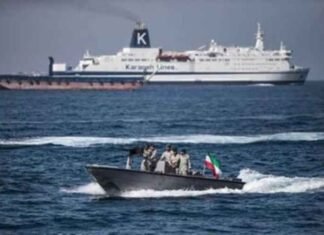
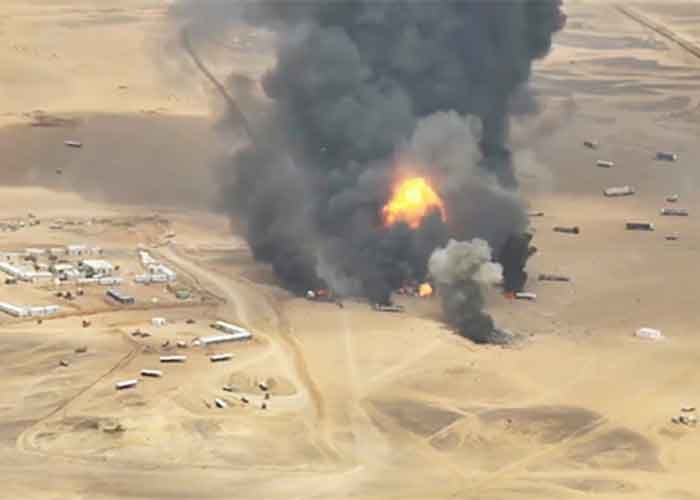
The Houthi conflict has continued to expand, with attacks targeting Saudi territory, energy infrastructure and regional shipping. On September 15, Saudi Arabia said its air defences intercepted and destroyed a Houthi drone near Mecca, while the Houthis denied targeting the holy city.
The latest developments have raised further questions about whether the Mecca defence agreement could bring Pakistan more directly into the conflict if Saudi Arabia comes under sustained Houthi attack.
 FOLLOW NOW