
New Delhi, November 7, 2026 (Yes Punjab News)
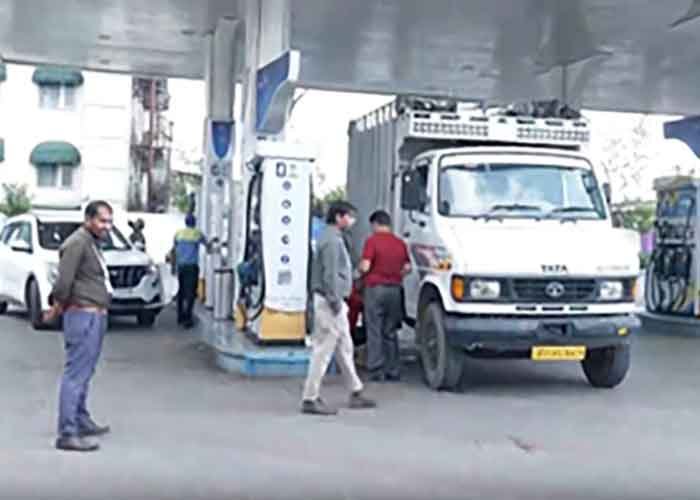
Government-owned oil marketing companies Indian Oil, Bharat Petroleum and Hindustan Petroleum have directed petrol pumps across the country to check underground storage tanks and fuel dispensing nozzles for water contamination every two to eight hours, depending on weather conditions, to maintain the quality of ethanol-blended petrol (E20).
The three public sector companies operate close to one lakh petrol pumps nationwide. Most Indian Oil Corporation and Hindustan Petroleum outlets are expected to conduct mandatory checks every two to four hours, while Bharat Petroleum Corporation Ltd (BPCL) has introduced testing at eight-hour intervals.
The increased monitoring is aimed at preventing phase separation, which occurs because ethanol is hygroscopic and absorbs moisture from its surroundings. When E20 petrol comes into contact with water, ethanol separates from petrol and forms a distinct water-ethanol layer at the bottom of the storage tank, a senior Indian Oil official said.
The risk of moisture absorption is higher during hot, humid and monsoon conditions, particularly in coastal regions. Dealers have been asked to use alcohol-resistant water-finding paste to detect water ingress in storage tanks.
Under the Marketing Discipline Guidelines, both fuel retailers and dealers are responsible for ensuring that contaminated fuel is not sold to consumers. Oil companies must ensure ethanol is blended into petrol within government-prescribed limits, while dealers are responsible for maintaining fuel quality at retail outlets.
As of April 1, 2026, Indian Oil operated 42,818 petrol pumps, BPCL 25,323 and HPCL 25,098. Private companies operated another 9,784 outlets, according to government data.
Meanwhile, India’s ethanol blending programme recorded cumulative ethanol receipts of 987 crore litres by the end of September 2026, according to the latest data released by the All India Distillers’ Association (AIDA).
Grain-based feedstocks accounted for 705 crore litres, or 71.4 per cent of total receipts under Ethanol Supply Year (ESY) 2025-26. Oil marketing companies received 987 crore litres against a contracted allocation of 1,197 crore litres, translating into an overall supply fulfilment rate of 82.5 per cent.
Maize was the largest feedstock contributor, accounting for 413 crore litres, or more than 41 per cent of total receipts. Surplus FCI rice contributed 222 crore litres, while damaged foodgrains accounted for 70 crore litres, according to AIDA.
 FOLLOW NOW