

New Delhi, September 17, 2026 (Yes Punjab News)
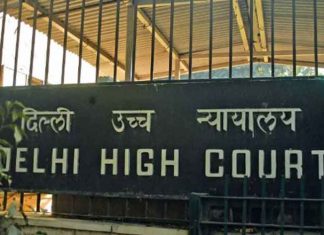
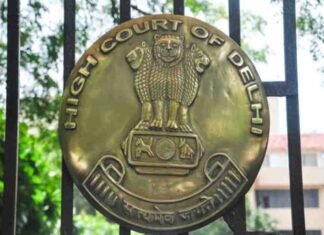
The Delhi High Court on Thursday warned that it could stay the counting of votes and declaration of results in the Delhi University Students’ Union (DUSU) elections if it is not satisfied with the action taken against those allegedly involved in violence and violations of election guidelines.
A Bench comprising Chief Justice D.K. Upadhyaya and Justice Tejas Karia issued the warning while hearing an application filed by advocate Prashant Manchanda seeking enforcement of the Lyngdoh Committee recommendations, anti-defacement guidelines and the DUSU election code of conduct during the 2026-27 elections.
The court made it clear that it was not staying or postponing polling scheduled for September 18. However, it said stricter orders, including a stay on counting and declaration of results, could follow if the authorities’ response was found inadequate.
“No excuses will be accepted by the Court,” the Bench said, adding that although it was not staying the election, it could stay the counting or declaration of results if dissatisfied with the action taken.
The court also observed that while India is a democratic society, “this democracy cannot be converted into a criminal society.”
The Delhi University and Delhi Police were directed to submit status reports detailing the action taken over incidents of alleged unruly conduct and violations of the Lyngdoh Committee guidelines, judicial orders and the election code of conduct. The matter has been listed for further hearing on September 18 at noon.
During the hearing, the petitioner alleged incidents of violence in North Campus involving candidates, supporters and outsiders. The allegations included claims of firearms being present, attacks on professors and students, vandalism, clashes and the entry of outsiders into college campuses.
Additional Solicitor General Chetan Sharma, appearing for the Centre, described the reported violence as “completely reprehensible” and said those found guilty should be brought to justice.
The Centre’s law officer submitted that action would be taken against persons found violating the law. He also told the court that campaigning had ended and that the university had remained peaceful thereafter. According to Sharma, around 85-90 per cent of the election process had been peaceful this year following directions issued by the High Court.
The Bench, however, questioned the authorities over their ability to maintain law and order during the election process and asked why enforcement agencies were not taking action against alleged violations.
The court also stressed that responsibility for misconduct did not rest solely with the authorities, observing that students were also accountable for their conduct. It expressed particular concern over alleged attacks on teachers and reports of firearms being present.
The Bench said student unions in universities and colleges are regarded as “nurseries of democracy”, but observed that the conduct alleged in the present case could not be permitted.
The court recorded in its order that the material placed before it indicated an alleged failure by authorities, students and others to ensure safe elections. It said that if the material presented to the court was correct, it would indicate violations of the Lyngdoh Committee recommendations as well as directions issued by the High Court and Supreme Court.
The court’s latest intervention comes amid continuing judicial scrutiny of the conduct of DUSU and college elections. On September 16, the High Court had declined to halt the scheduled polls in a separate matter while directing university authorities and the Chief Election Officer to ensure that political parties did not interfere in the election process.
In an earlier order concerning DUSU and college elections, the High Court had directed that vote counting should not take place until it was satisfied that posters, graffiti, hoardings and spray paint had been removed, vandalised public property restored and losses caused by defacement recovered from erring candidates.
The court had also expressed its prima facie view that money and muscle power had been extensively used in DUSU and college elections in violation of the Lyngdoh Committee guidelines.
 FOLLOW NOW