


New Delhi, November 6, 2026 (Yes Punjab News)
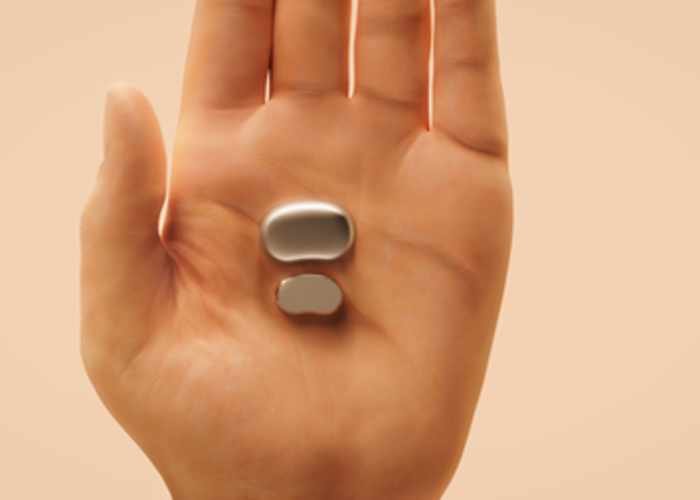
Temple, the wearable technology startup founded by former Eternal CEO Deepinder Goyal, is facing questions from doctors over the scientific basis of its product claims, prompting Goyal to publicly defend the device and its development process.
The debate intensified after hepatologist Cyriac Abby Philips, widely known online as The Liver Doc, questioned the company’s claims, particularly its ability to assess brain-related parameters through measurements taken from the superficial temporal artery.
Philips has argued that the evidence made publicly available by Temple, including preprint research papers, does not conclusively establish the device’s claimed capabilities. He has also called for stronger scientific backing before such advanced health-related metrics are presented to consumers.
Responding to the criticism in a series of posts on X, Goyal said Temple’s claims would be tested by users once the product reaches customers. He pointed to the company’s 14-day, no-questions-asked return policy as an assurance for buyers.
Goyal said Temple had invested around $30 million in developing the wearable, including approximately $20 million from his own funds. He also said he had stepped away from his leadership role at Eternal to concentrate on the venture, adding that his reputation was tied to the accuracy of its scientific claims.
Acknowledging that not all of Temple’s metrics have undergone clinical validation, Goyal said the company would disclose validation findings as they become available.
“Temple is a fitness tracker and wellness device. We are not a medical device,” he said, maintaining that further scientific validation and independent studies would follow once the product becomes available to users.
The disagreement has sparked a wider discussion on the evidence required from consumer wellness technology companies before they make claims involving complex health measurements.
While Goyal has said Temple stands by its scientific methods and will continue publishing validation data, critics have stressed the need for independent, peer-reviewed evidence to establish the device’s claimed capabilities.
 FOLLOW NOW