Mumbai, September 29, 2026 (Yes Punjab News)
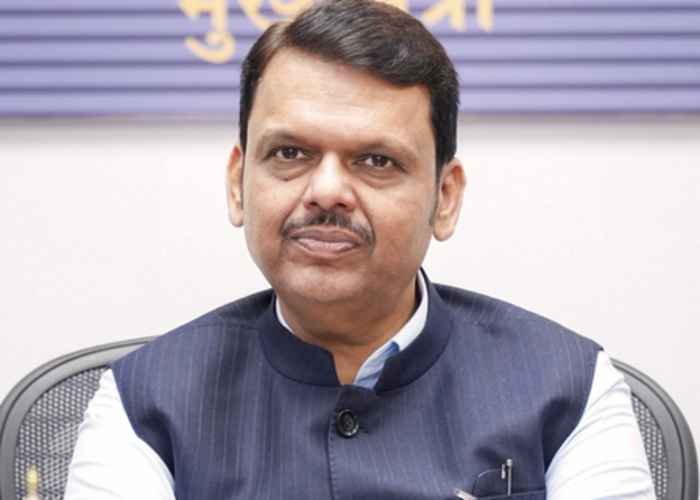
The Maharashtra Cabinet, chaired by Chief Minister Devendra Fadnavis, on Tuesday approved a policy to facilitate the direct recruitment of former Agniveers into the state police force and other uniformed services without requiring them to appear for competitive examinations or undergo fresh initial training.
Under the new policy, the state government has introduced a 10 per cent horizontal reservation for ex-Agniveers in Group-C uniformed posts, including the police force, fire services and coastal security, Fadnavis said.
The policy also provides for relaxation in the upper age limit to accommodate former Agniveers seeking employment in the state government. Those recruited under the scheme will not be required to repeat initial training modules, with their military training taken into account.
Ex-Agniveers from the Indian Navy will be directly integrated into Maharashtra’s coastal security wing. The government will also relax sanctioned-post limits as a special case to accommodate interested Navy veterans, according to the Chief Minister.
The recruitment policy will extend to various state security services, including the Fire Department and correctional security forces.
“The first batch of Agniveers will soon complete their four-year service tenure. Every Agniveer who wishes to transition into state government service will be absorbed directly into our police and uniformed services without exam or training barriers,” Fadnavis said.
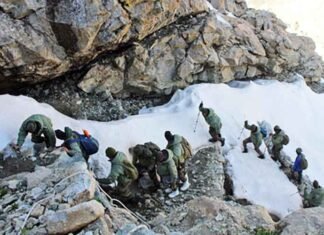
The decision comes as the first batches recruited under the Centre’s Agnipath scheme approach the completion of their four-year service tenure. The Maharashtra policy is intended to provide former Agniveers with an employment pathway in state government services while enabling the state to utilise their military training and experience in frontline security roles.
In addition to the Agniveer recruitment policy, the Maharashtra Cabinet approved changes to drought assistance norms to facilitate financial relief for affected farmers.
Under the revised approach, sub-committees will assess the impact of drought on agriculture at the circle, or mandal, level. This will allow assistance to be extended to affected areas, including tehsils that do not strictly meet the meteorological criteria under the ‘Trigger-2’ parameters.
The Cabinet also approved a statewide strategy to ensure adequate availability of feed and fodder for livestock at the district level.
 FOLLOW NOW