United Nations, September 18, 2026 (Yes Punjab News)
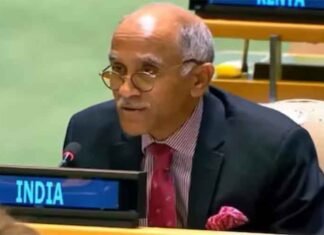
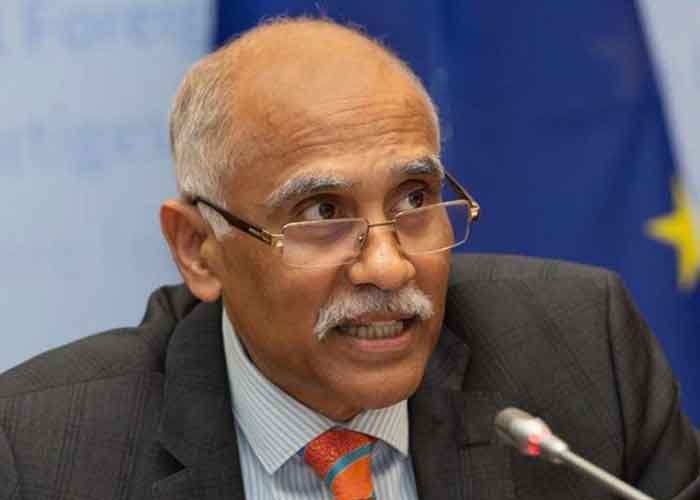
Peacekeeping will be a key priority in India’s campaign for a non-permanent seat on the UN Security Council for 2028-2029, India’s Permanent Representative to the United Nations P. Harish said, stressing the need for adequate resources, stronger protection for peacekeepers and greater representation in decision-making.
Speaking at an open debate on peacekeeping, Harish said India considers peacekeeping central to the Security Council’s mandate and has therefore made it a priority of its candidacy.
“Because we regard peacekeeping as irreplaceable to this Council’s core purpose, India has made it a priority for our Security Council candidacy for 2028-2029,” he said.
“We reaffirm our commitment to a peacekeeping architecture better resourced, protected, and representative of the world it serves,” Harish added.
External Affairs Minister S. Jaishankar formally launched India’s candidature in June for a non-permanent seat representing the Asia-Pacific region in elections scheduled for next year. India’s campaign manifesto, titled Shanti — meaning peace — is an acronym for “Securing Holistic Advancement through Norms, Trust (and) Integrity”.
Highlighting India’s long-standing contribution to UN peacekeeping, Harish said the country has deployed nearly 300,000 personnel across more than 50 missions, making it the largest troop-contributing country. He noted that 184 Indian peacekeepers have lost their lives while serving as UN Blue Helmets.
“Our approach is shaped not by rhetoric but by their sweat and blood,” he said.
Harish called for troop- and police-contributing countries to have a structured role in shaping peacekeeping mandates through consultations before they are adopted or reviewed.
He also stressed the need to align host countries’ priorities with mission mandates and ensure that peacekeeping operations remain linked to a clear political process.
“Aligning host state priorities with mission mandates is needed to ensure that missions do not become long-term auxiliary political instruments,” he said.
Harish further called for rationalising peacekeeping mandates to prevent the waste of resources, arguing that missions lacking a clear operational rationale can drain resources needed elsewhere and affect the credibility of UN peacekeeping.
UN Secretary-General Antonio Guterres also called for a longer-term vision of peacekeeping missions before their deployment. He advocated closer consultation with countries hosting such operations and stressed that lasting peace must be built by national actors.
 FOLLOW NOW