
New Delhi, October 11, 2026 (Yes Punjab News)
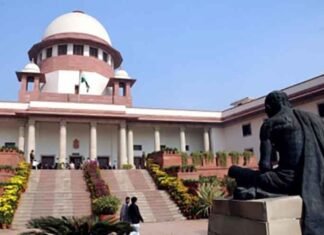
The Supreme Court on Sunday observed that citizens have an undisputed right to protest, but the manner in which demonstrations are conducted must comply with the law, including the provisions of the Police Act.
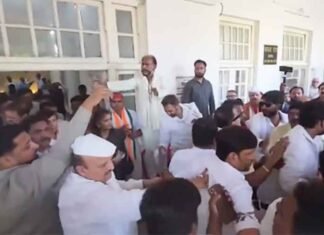
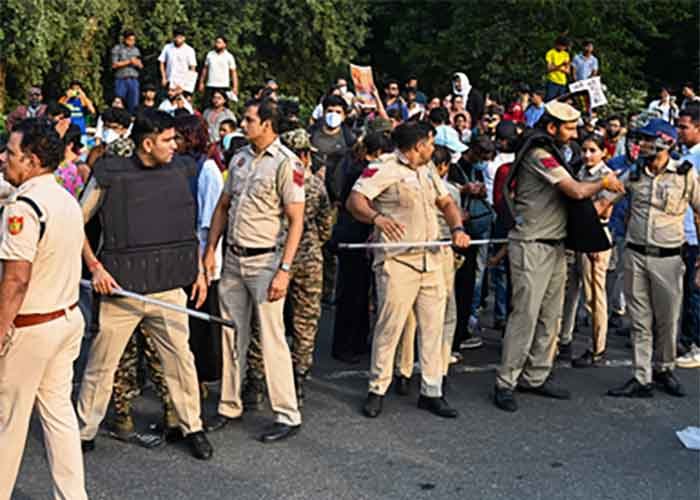
A Bench comprising Justices Joymalya Bagchi and V. Mohana made the oral observations during an urgent hearing on allegations that its earlier directions concerning public transport and the movement of people in Delhi had been violated ahead of a proposed protest against Chief Election Commissioner (CEC) Gyanesh Kumar.
“You have a right to protest, absolutely no quarrel on that, but the process in which you protest has to be within the Police Act,” the Bench observed.
Senior advocate Kapil Sibal, appearing for the petitioners, argued that Section 163 of the Bharatiya Nagarik Suraksha Sanhita (BNSS) could not be applied beyond the four-kilometre area covered by the prohibitory restrictions.
He contended that detention, traffic obstruction and barricading should not be permitted outside the notified area. Sibal also maintained that peaceful demonstrations should be allowed even within the restricted zone, subject to public order.
Pointing out that a designated site was available for the protest, Sibal argued that citizens should be able to exercise their right to demonstrate without having to submit an application to the authorities.
Solicitor General Tushar Mehta, appearing for the Centre, opposed the submissions.
Responding to the arguments, Justice Bagchi said the Supreme Court would examine whether the requirements of the Police Act were consistent with the constitutional guarantee of freedom of expression under Article 19.
The Bench indicated that the right to protest could not be exercised independently of the legal framework governing demonstrations, reiterating that the process adopted must comply with the procedure prescribed by law.
Sibal, however, argued that police laws could not override the protection guaranteed under Article 19(1)(a) of the Constitution, subject to the reasonable restrictions permitted under Article 19(2), including those imposed in the interest of public order.
He also sought interim directions for the restoration of internet services across the national capital and raised concerns over journalists allegedly being prevented from carrying out their professional duties both within and outside the affected area.
Supreme Court Issues Directions on Public Transport, Internet and Movement
The hearing formed part of contempt proceedings alleging wilful disobedience of the Supreme Court’s October 9 order concerning the operation of Metro and railway services and the movement of people in Delhi ahead of the proposed demonstration.
In its order on Sunday, the Bench directed the authorities to ensure that Metro trains and railway facilities operated normally, subject to reasonable restrictions under Article 19(2), and that internet services remained unhindered.
It also directed the authorities to ensure the free movement of people, subject to law-and-order requirements and traffic regulations. Barricades on roads were ordered to be reviewed immediately to minimise inconvenience to the public.
The court further made it clear that there should be no illegal detention, particularly of people participating in peaceful and unarmed gatherings, beyond areas where prohibitory orders under Section 163 of the BNSS were in force.
Taking note of the Solicitor General’s submission that internet connectivity had been restored and all Metro stations were functional, the Bench recorded the assurance that lawyers, journalists and other professionals would not be obstructed from discharging their professional duties.
The alleged contemnors were directed to file counter-affidavits and a compliance report by Tuesday, explaining their adherence to the directions issued on October 9.
Earlier Order on Transport Restrictions
On Friday, the Supreme Court had directed the authorities to reconsider restrictions on Metro and other railway services ahead of the proposed protest.
The court had clarified that public transport could be regulated to maintain law and order but should not be prohibited outright. It had also called for adequate publicity of decisions concerning transport services and the issuance of traffic advisories to minimise inconvenience to commuters.
The matter has been listed for further consideration on October 13, along with other petitions seeking intervention in the proceedings.
 FOLLOW NOW