


New Delhi, July 24, 2026 (Yes Punjab News)
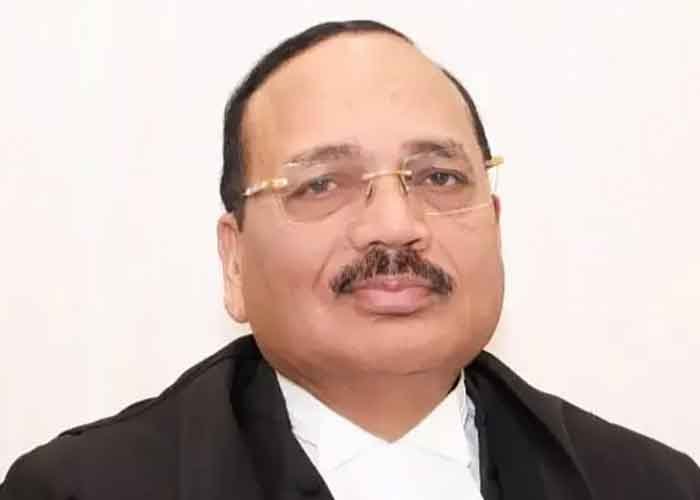
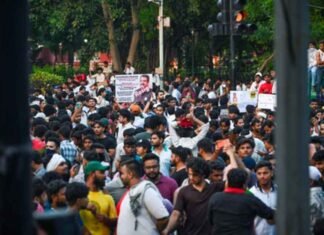
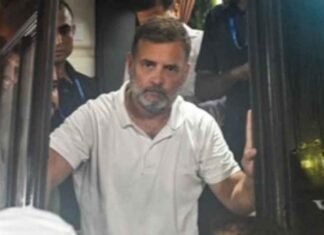
A group of advocates from across the country has written to Chief Justice of India (CJI) Justice Surya Kant, urging the Supreme Court to take suo motu cognisance of the July 21 sit-in protest led by Leader of Opposition Rahul Gandhi and other Opposition leaders near Prime Minister Narendra Modi’s official residence at 7, Lok Kalyan Marg.
The representation, coordinated by advocate Sanket Gupta and signed by lawyers practising in various High Courts, sought a fact-finding inquiry into the protest and requested the apex court to frame uniform guidelines governing demonstrations near high-security installations.
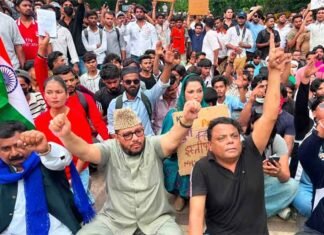
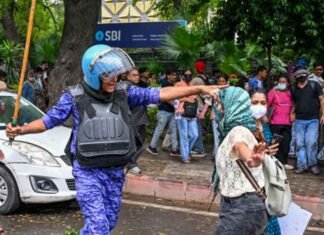
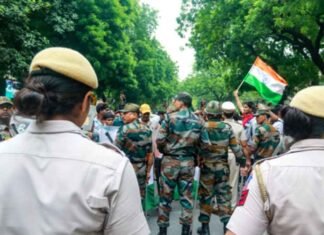
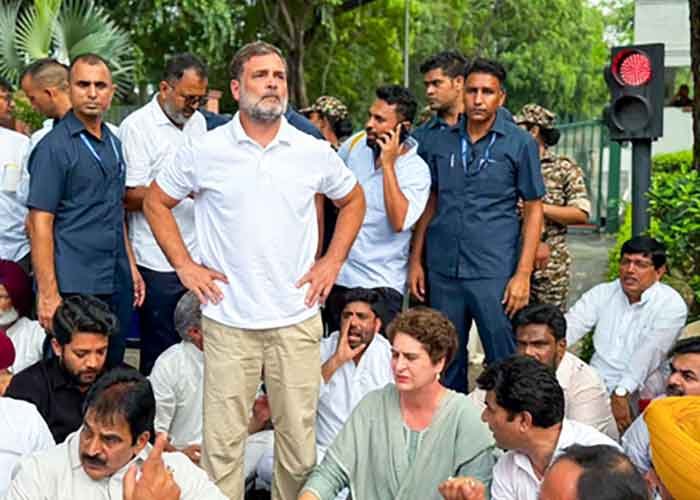
The advocates argued that the protest raised concerns extending beyond the constitutional right to assemble, touching upon issues of national security and governance. According to the representation, Rahul Gandhi, Congress president Mallikarjun Kharge, Priyanka Gandhi Vadra, Samajwadi Party chief Akhilesh Yadav, several MPs, and the Chief Ministers of Kerala and Karnataka staged a sit-in near the Prime Minister’s residence without prior permission.
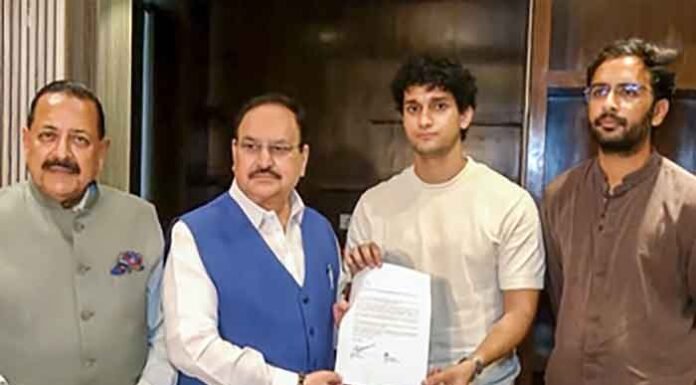
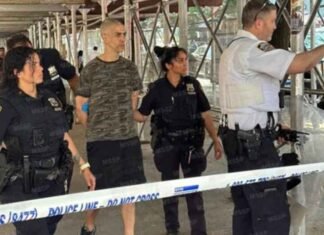
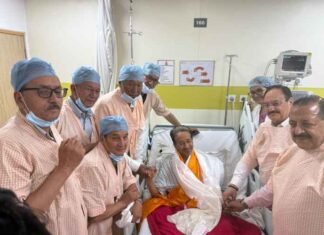
The representation alleged that police repeatedly asked the protesters to disperse, citing the area’s high-security status, but the demonstration continued. It further claimed that Union Minister of State in the Prime Minister’s Office Jitendra Singh met Rahul Gandhi and urged him to end the protest after assuring that the government was prepared to discuss the issue in Parliament.
Referring to Rahul Gandhi’s social media appeal inviting citizens to join the protest, the advocates contended that such a call could have serious security implications due to the sensitive nature of the location.
While acknowledging that the Constitution guarantees the right to peaceful assembly under Article 19(1)(b), the representation stressed that the right is subject to reasonable restrictions under Article 19(3) in the interests of public order and national security.
The advocates urged the Supreme Court to order a fact-finding inquiry and lay down prospective guidelines regulating protests near high-security zones, saying such norms should apply uniformly to all political parties while balancing democratic freedoms with security concerns.
 FOLLOW NOW