

New Delhi, October 13, 2026 (Yes Punjab News)
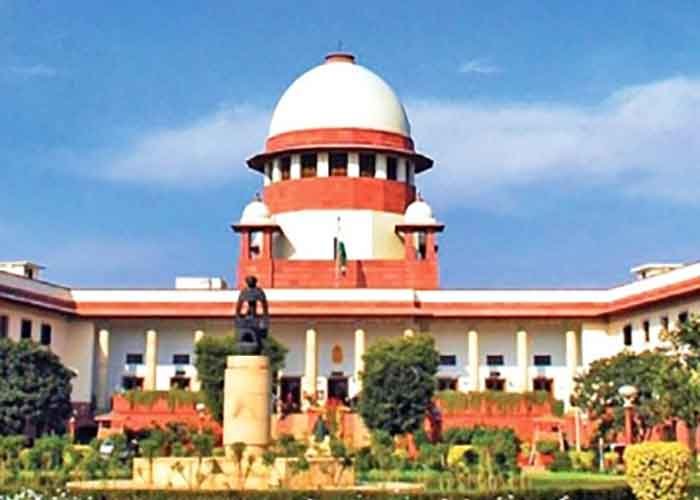
The Supreme Court on Tuesday issued notices to the Centre and the Election Commission of India (ECI) on a public interest litigation challenging the blanket immunity granted to the Chief Election Commissioner (CEC) and Election Commissioners under Section 16 of the Chief Election Commissioner and Other Election Commissioners (Appointment, Conditions of Service and Term of Office) Act, 2023.
A bench comprising Chief Justice of India Surya Kant and Justices Joymalya Bagchi and V. Mohana sought responses to the plea filed by the Association for Democratic Reforms (ADR). The matter is tentatively listed for further hearing on November 2.
Section 16 bars courts from entertaining or continuing civil or criminal proceedings against serving or former CECs and Election Commissioners for acts, actions or words in the course of performing, or purporting to perform, their official duties.
ADR has argued that the provision violates Articles 14 and 19 of the Constitution, undermines accountability and could shield alleged arbitrary exercise of power or corruption from judicial scrutiny.
The case comes amid broader judicial scrutiny of the 2023 law governing the Election Commission. On October 5, the Supreme Court sought responses from the Centre, the ECI and the three Election Commissioners on a separate plea questioning whether the CEC could individually exercise powers vested in the multi-member constitutional body. The petitioner argued that Article 324 places the superintendence, direction and control of elections with the ECI as an institution.
The law’s constitutional validity has also been challenged over the exclusion of the Chief Justice of India from the committee selecting the CEC and Election Commissioners. On September 23, a two-judge bench delivered a split verdict on whether the challenge should be referred to a Constitution Bench. Justice Dipankar Datta opposed the reference, while Justice Satish Chandra Sharma favoured it, directing that the matter be placed before the CJI for consideration.
Under the 2023 law, the selection committee comprises the Prime Minister, the Leader of Opposition in the Lok Sabha and a Union Cabinet Minister nominated by the Prime Minister. This replaced the interim arrangement laid down by the Supreme Court in its March 2023 judgment in Anoop Baranwal v. Union of India, which included the CJI.
 FOLLOW NOW