

KBS Sidhu writes an open letter to Union Finance Minister Nirmala Sitharaman, welcoming the World Bank’s findings and proposing four measures to make the gains lasting and fair
Chandigarh, November 1, 2026 (Yes Punjab News)
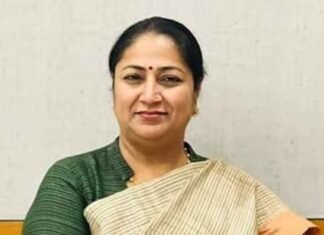
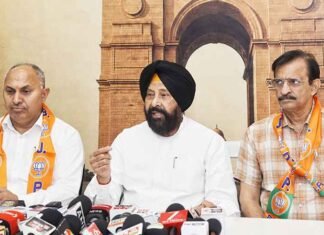
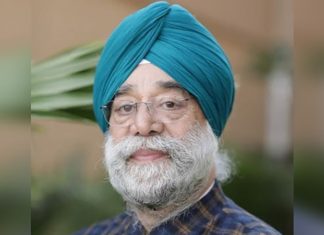
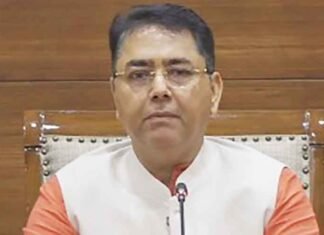
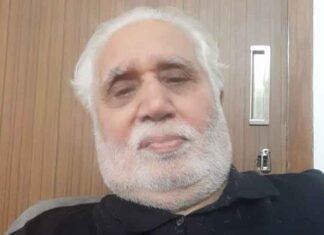
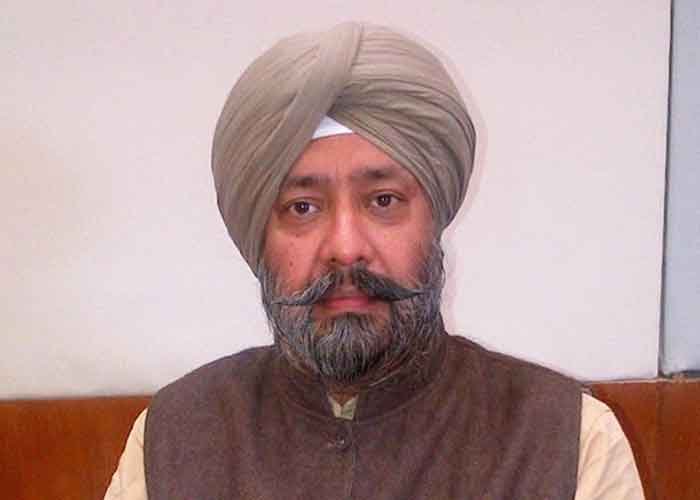
KBS Sidhu, IAS (Retd.), former Special Chief Secretary of Punjab and former Principal Secretary (Finance) of the State, has written an open letter to Union Finance Minister Smt. Nirmala Sitharaman, congratulating her on the findings of the World Bank’s India Poverty and Equity Brief, released on 30 October 2026.
The Brief records that extreme poverty in India fell from 27.1 per cent in 2011 to 2.6 per cent in 2023, and that some 49 crore Indians moved above the lower-middle-income poverty line over the same period. The World Bank described it as one of the fastest declines in poverty anywhere in the world. The Finance Minister welcomed the findings as a major achievement.
“You and your colleagues across ministries deserve credit,” Mr Sidhu writes, recalling his years as Deputy Commissioner of Amritsar, a district that then also included present-day Tarn Taran. Free foodgrain, Direct Benefit Transfers, toilets, electricity and cooking gas, he notes, have changed village life in ways any district officer of the 1990s would recognise at a glance.
A lesson from 2011
The letter contrasts today’s debate with the controversy of September 2011, when the Planning Commission under Montek Singh Ahluwalia, in Dr Manmohan Singh’s government, told the Supreme Court that anyone spending more than ₹32 a day in a city, or ₹26 in a village, was not poor. The figure became a byword for a government out of touch with lived reality. India has had no official poverty line since 2014, and public debate now relies on the World Bank’s dollar lines.
“Public trust in these numbers is itself a national asset,” Mr Sidhu writes, noting that the World Bank itself attributes part of the recent gain to changes in survey methods, and that one Indian in six remains below the $4.20-a-day line appropriate to a lower-middle-income country.
Right trajectory, but milestones needed
Mr Sidhu argues that India is on the right path, but that a trajectory needs milestones. Real rural wages have barely moved in years, and outside estimates such as the World Inequality Report 2026 put the top 1 per cent’s share of national wealth at about 40 per cent. Rather than higher tax rates or a return of the wealth tax, he proposes four measures within the Ministry of Finance’s reach:
- An official income and wealth survey, so that the Government can answer outside estimates with its own data.
- Publication of GST incidence by income decile, to settle the debate over who bears the burden of indirect taxes.
- A breakdown of tax expenditure by beneficiary income class, so that exemptions flowing mainly to the top decile can be retired without raising a single rate.
- Converting welfare transfers into assets, through clear land and house titles, fair credit and an indexed national floor wage.
“Poverty is a lived reality,” the letter concludes. “The progress you have presided over is real. These measures would help make it lasting, and visibly fair.”
For further information: KBS Sidhu · kbs.sidhu@gmail.com
 FOLLOW NOW