

Chandigarh, October 15, 2026 (Yes Punjab News)
The Punjab government has seized medicines worth ₹20.64 crore, suspended the licences of 520 chemists and cancelled the licences of another 22 during an intensified crackdown on violations of drug laws between April 1, 2025, and September 30, 2026.
According to the state government, the Drugs Wing of the Food and Drugs Administration conducted 16,788 inspections during the 18-month period, targeting violations of the Drugs and Cosmetics Act, 1940, and the Drugs Rules, 1945. The seized medicines were recovered from 214 licensed and unlicensed firms.
The enforcement drive has also led to 54 court cases being instituted against alleged violators. Of these, 35 cases resulted in convictions and fines, while 650 cases remain under trial in district courts across Punjab.
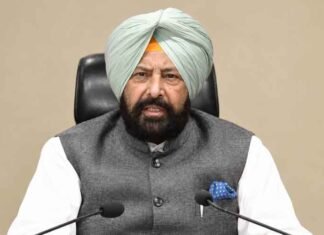
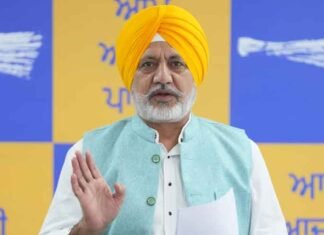
The inspections are being conducted under the directions of Health and Family Welfare Minister Dr Balbir Singh, with the government seeking to strengthen regulatory oversight and curb the misuse of medicines, particularly formulations that can be used for intoxication.
Pregabalin brought under Schedule H1
In a significant regulatory development, the Government of India has notified the inclusion of Pregabalin under Schedule H1 of the Drugs Rules, 1945, through notification G.S.R. 377(E), dated May 13, 2026. The provision is scheduled to come into force on November 12, 2026.
The Punjab government said Pregabalin had not previously been covered under any Schedule of the Drugs and Cosmetics Act, 1940, or the Drugs Rules, 1945. It had repeatedly urged the Centre through official communications to introduce regulatory measures to address the medicine’s misuse.
Online medicine sales remain a concern
The state government has also raised concerns with the Union Health Minister over the absence of a regulatory framework governing online medicine sales through e-pharmacies.
According to the Punjab government, medicines susceptible to misuse for intoxication remain available through online channels, creating difficulties for enforcement agencies seeking to restrict access to habit-forming drugs.
Punjab has already restricted the stocking for sale of eight types of drug formulations in the state. However, the government maintains that the lack of clear regulations for online sales continues to undermine efforts to control the availability and misuse of such medicines.
Government flags medicine pricing disparities
The state has also taken up the issue of high medicine prices and substantial price variations among products manufactured by different companies despite containing the same active pharmaceutical ingredient, or salt.
According to the government, the Centre had not taken effective steps to address these concerns until the recent intervention and directions of the Supreme Court of India.
The Punjab government reiterated its commitment to strengthening enforcement of drug laws, improving regulatory oversight and pursuing measures to protect public health. It said proactive action would continue on issues involving the misuse of medicines, online pharmaceutical sales and medicine affordability.
 FOLLOW NOW