
Islamabad, September 25, 2026 (Yes Punjab News)
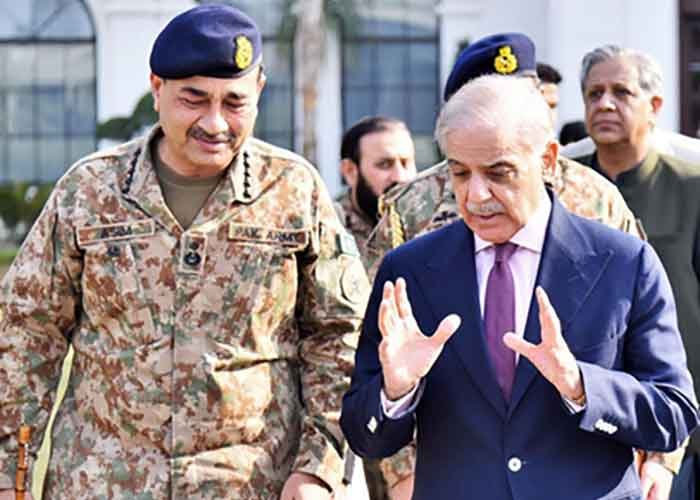
The influence of Pakistan’s military extends beyond the security establishment into the civil bureaucracy, federal cabinet, economic and social spheres, according to a report published by UCA News. The report also said major foreign-policy decisions require the military’s approval.
The report examined the long-running relationship between Pakistan’s military establishment and civilian governments, arguing that prime ministers have faced serious repercussions when attempting to exercise authority as the country’s chief executives.
It cited the prolonged incarceration of former Prime Minister Imran Khan and concerns surrounding his access to medical treatment as examples of what it described as a recurring pattern in Pakistan’s political history. The report alleged that cases against politicians, imprisonment and restrictions on media appearances have been among the methods used to exert pressure on political figures.
According to the report, more than six prime ministers were forced to leave office before completing their terms during Pakistan’s first two decades, while no prime minister served a complete five-year constitutional tenure during that period.
It further alleged that civilian governments have, over the years, created or maintained institutions that have served military interests. The report referred to the National Accountability Bureau (NAB), saying critics have accused it of being used against politicians, bureaucrats and business figures.
The report also raised concerns about the role of the military establishment in the provincial Counter Terrorism Department and alleged extensive influence of the military’s media wing, Inter-Services Public Relations (ISPR), over the information sphere.
It said figures considered to have links with the military establishment are present across political parties and alleged that military officers have also been appointed to civilian institutions.
The report additionally highlighted concerns raised by critics over military and intelligence agencies’ access to state data and their ability to monitor political opponents and critics.
The assessment comes amid broader scrutiny of the role of Pakistan’s military in civilian governance. UCA News has previously reported criticism from rights activists and legal experts over military involvement in proceedings against civilians, including cases involving supporters of Imran Khan.
The latest report presents these issues as part of a broader debate over the balance between elected civilian institutions and Pakistan’s powerful military establishment.
 FOLLOW NOW