

New Delhi, June 22, 2026
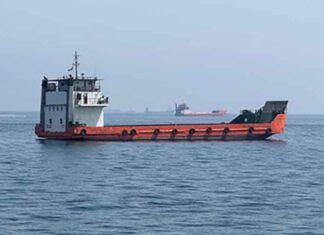
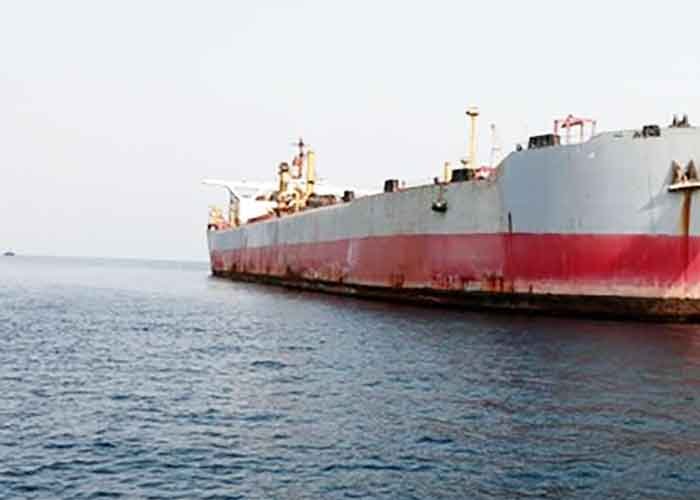
Four cargo ships carrying vital shipments of urea, di-ammonium phosphate (DAP), and sulphur from the Persian Gulf are headed for Indian ports after successfully crossing the Strait of Hormuz last week, according to an official statement issued on Monday.
Navigating through ongoing global trade challenges, these vessels are currently heading toward their designated destination ports— Krishnapatnam, Kakinada, Paradeep, and Mundra. Upon arrival, these fresh imports will immediately offload to supplement the nation’s existing fertiliser buffers and secure ongoing agricultural requirements, the statement said.
India’s cumulative fertiliser stock position, as of June 22, stands at a robust 196.08 lakh tons, marking a healthy increase from the 168.67 lakh tons recorded during the corresponding period last year. This strong inventory backup comprises 81.44 lakh tons of urea, 20.92 lakh tons of DAP, 55.91 lakh tons of NPK, 12.68 lakh tons of MOP and 25.13 lakh tons of SSP, the statement said.
Reflecting high agricultural momentum, total fertiliser sales after the Middle East crisis (from March 1, 2026, to June 21, 2026) reached 153.4 lakh tons, visualising a growth of 13.2 lakh tons compared to last year’s sales of 140.2 lakh tons over the same duration.
To protect Indian farmers against unpredictable global market shocks, the government maximised indigenous manufacturing capabilities alongside targeted import arrivals. Post-crisis domestic production scaled up significantly to achieve an impressive 133.12 LMT. This strong domestic foundation has been closely matched by total import arrivals hitting 43.69 LMT at Indian ports during this period, striking an ideal balance between localised output and international sourcing, the statement said.
India has successfully contracted 17.70 LMT of urea in its latest global tender evaluation. With this latest addition, India has safely tied up more than 90 LMT of Urea and P&K fertilisers from the global market, specifically tailored for the ongoing kharif season.
This macro-scale procurement strategy was facilitated through active diplomatic coordination with 28 Indian Missions abroad, opening up diverse import pipelines across multiple international corridors, the statement said.
The urea has been sourced from Oman, Malaysia, Vietnam, Georgia, Nigeria, Russia, Finland, Egypt, Algeria, Turkey, and the Netherlands.
The DAP and NPK streams have been secured via the Red Sea shipping route from Russia, Morocco, Egypt, the USA, Jordan, South Korea, Tunisia, and Saudi Arabia, the statement added.(Agency)
 FOLLOW NOW