
Chandigarh, September 9, 2026 (Yes Punjab News)
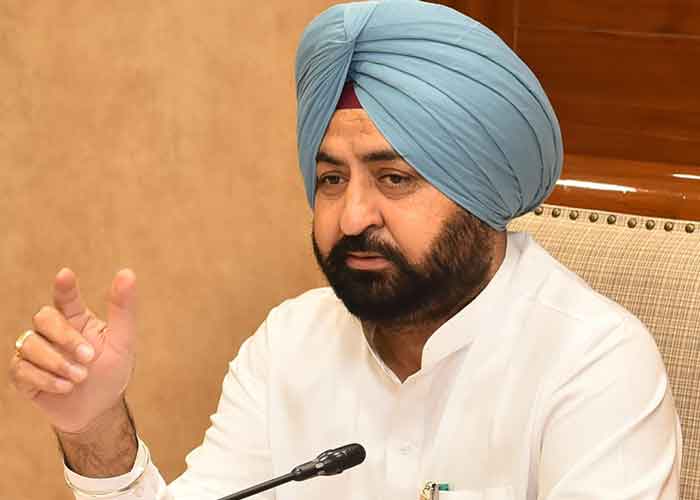
Punjab Revenue Minister S. Hardeep Singh Mundian on Wednesday said the Easy Registry initiative has completed 14 months, marking a significant shift towards faster, simpler, transparent and citizen-centric property registration services across the state.
Launched by the Bhagwant Mann-led Punjab Government as a pilot project in Mohali in July 2025, Easy Registry has moved property registration from a largely office-dependent process to an online, appointment-based and time-bound system, reducing unnecessary physical visits and direct points of contact.
“Easy Registry is not merely a digital platform. It is a governance reform designed around the convenience, dignity and rights of the citizen,” Mundian said.
The impact of the initiative is reflected in beneficiary feedback. Two surveys conducted across districts and villages where the portal is operational covered 6,623 token-holders, including 1,737 beneficiaries in Survey 1.0 and 4,886 in Survey 2.0.
The cumulative findings show that 93 per cent of beneficiaries were satisfied with the new registration process, while 93 per cent said their registry was completed on the scheduled appointment date. As many as 90 per cent reported facing no issue at any stage, while 93 per cent of cases cleared pre-scrutiny without any objection. Further, 94 per cent said they faced no pressure to make any extra payment.
According to the feedback, most applicants are able to complete their registration in around 35 minutes on the appointment day. The appointment and token system has reduced waiting time, while the 48-hour scrutiny window has helped minimise repeated visits. WhatsApp updates also allow applicants to track their cases without depending on agents.
Since its launch, around 10 lakh documents have been registered through the system. As of September 8, 2026, a total of 9,87,425 documents had been registered across Punjab.
Technology-Driven Transparency
Mundian said Easy Registry combines technology with administrative reforms to address longstanding difficulties associated with property registration.
The system includes online deed preparation and fee payment, pre-scrutiny, First-In-First-Out (FIFO) file processing, digital Fard generation, eKYC verification, integrated token management and WhatsApp communication.
Under the earlier system, citizens generally had to approach the Sub-Registrar office having jurisdiction over the property. Easy Registry allows registration at any Sub-Registrar office within the district, giving citizens greater flexibility and reducing dependence on a particular office or official.
The FIFO mechanism ensures that applications are processed in the order in which they are received, bringing greater predictability and fairness to file processing.
A structured 48-hour scrutiny mechanism has also been introduced. Applicant-related objections are resolved before cases reach the Registrar’s office, while objections raised by the Registrar have to be communicated through the system within 48 hours. Such objections are subject to oversight by the Deputy Commissioner or Sub-Divisional Magistrate.
Deed Drafting and Fee Payment Simplified
Citizens can prepare sale deeds through three options under Easy Registry: do-it-yourself online drafting, assistance at dedicated deed assistance counters, or doorstep services through Seva Sahayaks.
The system has also streamlined payment of stamp duty and registration fees. Applicable fees are calculated instantly and payments can be made online through a single transaction using an integrated gateway supporting 25 banks.
Mundian said these measures have reduced ambiguity in fee calculations, eliminated the need for multiple bank visits and reduced dependence on private deed-writers and lawyers for routine drafting requirements.
WhatsApp Tracking and Anti-Bribery Mechanism
Automatic WhatsApp acknowledgements are sent to applicants at different stages of the registration process, enabling them to monitor the progress of their applications without repeated visits to government offices.
The system also provides an online complaint mechanism and allows citizens to report demands for bribes through WhatsApp, with such complaints escalated to the Deputy Commissioner.
The Minister said the direct communication mechanism has strengthened accountability. The beneficiary survey found that 94 per cent of applicants reported facing no pressure to make any extra payment.
Digital Fard and eKYC Strengthen Security
Integration between the Jamabandi Portal and Easy Registry Portal has enabled automatic generation of QR Code-enabled Digital Fard. Applicants no longer need to manually upload the Fard, while authenticated and updated land records help reduce the possibility of forged or tampered documents.
The system has also introduced consent-based electronic KYC verification at the Sub-Registrar level. With the consent of the concerned parties, identities can be verified electronically, providing an additional safeguard against fraudulent or impersonated registrations.
The Integrated Token Management System gives priority to citizens with scheduled appointments and complete documentation. According to beneficiary feedback, most registrations are completed in approximately 35 minutes, while 93 per cent of respondents said their registry was completed on the scheduled appointment date.
Registration Offices Upgraded
Alongside digital reforms, registration offices have also been upgraded with modern waiting areas, professional reception facilities and a more citizen-friendly environment.
Mundian said the objective was not merely to digitise the registration procedure but also to improve the overall experience of citizens visiting government offices.
He said the transformation under Easy Registry extends beyond property registration by demonstrating how public services can be redesigned around citizen needs. The model combines digital processes with human assistance through deed assistance counters and Seva Sahayaks, while fixed timelines, digital records, direct communication and grievance-reporting mechanisms enhance transparency.
Mundian said the Punjab Government would continue to strengthen technology-driven governance to ensure that citizens can access public services with minimum inconvenience and maximum transparency.
 FOLLOW NOW