
Lucknow, October 24, 2026 (Yes Punjab News)
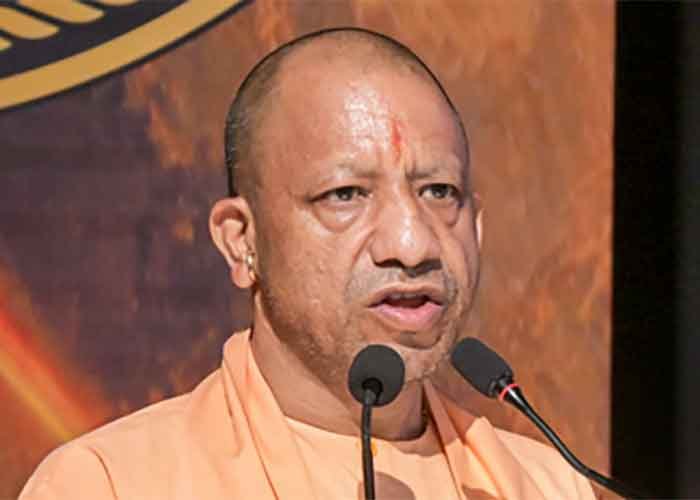
Uttar Pradesh Chief Minister Yogi Adityanath on Saturday called for collective action to tackle emerging cyber threats, including deepfakes, cyber fraud and identity theft, while stressing the need to protect the credibility of digital evidence and strengthen technology-driven criminal investigations.
Addressing the second day of the three-day international conference, Tech Sangam 2026, at the Uttar Pradesh State Institute of Forensic Science (UPSIFS) in Lucknow, Adityanath cautioned against excessive dependence on artificial intelligence (AI), emphasising that technology should support human decision-making rather than replace it.
“We should not simply follow AI’s reasoning or accept its decisions as the ultimate truth. If we become entirely dependent on AI for everything, the very power that helps us could also become a challenge,” the Chief Minister said.
He said Tech Sangam brought together discussions on how emerging technologies could strengthen governance, economic development, national security and the judicial system.
Highlighting the transformative role of digital technology, Adityanath said AI had opened up new possibilities for solving complex problems, while advances in quantum computing were creating further opportunities in scientific and technological development.
However, he warned that these advancements also brought significant risks, including manipulated digital content, online financial fraud, identity theft and questions over the authenticity of electronic evidence.
The Chief Minister stressed that scientific evidence, forensic investigation and modern technology must be integrated to improve the quality of criminal investigations and reduce delays in the delivery of justice.
Referring to improvements in law and order in Uttar Pradesh, Adityanath recalled how nearly 100 acres of land on which the state’s forensic institute now stands had allegedly been occupied by a prominent land mafia figure in Lucknow.
He said effective action had initially been difficult, but an investigation was ordered after police officials provided information in 2017. An FIR was registered, and following a second FIR, the accused surrendered and vacated the land, according to the Chief Minister.
Adityanath said that a decade ago, discussions on cyber forensics and quantum technology in Lucknow would have seemed like a distant possibility. The institution established on the land was now helping advance scientific investigation, modern crime detection and technical education across the state, he added.
Highlighting the importance of scientific evidence in criminal proceedings, the Chief Minister cited the case of a mafia operative who allegedly committed his first crime in 1980 but was convicted only in 2022, after a delay of 42 years. He attributed the prolonged process to a lack of evidence and the destruction of DNA samples.
The example, he said, demonstrated the importance of collecting and preserving forensic evidence promptly to ensure effective investigations and timely justice.
Adityanath said the new criminal laws placed particular emphasis on forensic evidence collection in offences punishable with imprisonment of more than seven years.
To support this requirement, forensic laboratories were being developed across all 18 police ranges in Uttar Pradesh. Twelve laboratories had been completed, while the remaining six were in the final stages of development, he said.
The state had also deployed more than 150 forensic vans to facilitate rapid evidence collection and accelerate investigations.
Adityanath said these initiatives were aimed at strengthening investigations through scientific evidence and reducing unnecessary delays in court proceedings.
Turning to technology-led economic growth, the Chief Minister said data and digital infrastructure had become important drivers of development. Recalling Prime Minister Narendra Modi’s description of data as the “new oil”, he said Uttar Pradesh was emerging as a major destination for AI infrastructure and data centres.
The state has set a target of developing five gigawatts of data centre capacity by 2030 and is working towards establishing five major data centre clusters, he said.
Adityanath also highlighted the transformation of Ayodhya, stating that electricity availability in the city had been limited in 2017. The city was now being developed as a Solar City and had an international airport, he added.
He further said Uttar Pradesh accounted for approximately 60 per cent of India’s total expressway network and had five international airports and 17 domestic airports.
According to the Chief Minister, improvements in infrastructure and the creation of an investment-friendly environment had strengthened the state’s economy and positioned Uttar Pradesh among India’s leading economic centres.
During the conference, Adityanath inaugurated the LEXQ Centre of Excellence, dedicated to quantum forensics and legal compliance. He also launched a Consent Management Portal, laid the foundation stone for the Abhedya project, and unveiled the book AI in Construction.
The initiatives reflect the state’s efforts to expand the use of emerging technologies in forensic science, legal processes and governance while addressing the challenges associated with an increasingly digital environment.
 FOLLOW NOW