United Nations, August 26, 2026 (Yes Punjab News)
India has called on the UN Security Council to prioritise measures to mitigate the humanitarian consequences of conflicts, warning that disruptions to energy markets, fertiliser supplies, maritime transport and agricultural trade are increasingly threatening food security far beyond conflict zones.
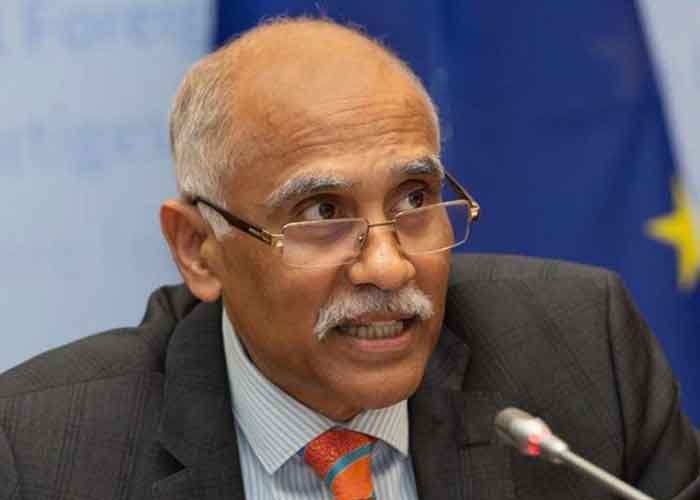
Addressing a Security Council open debate on “Food Under Fire: The Security Council’s Role in Mitigating Global and Local Food Crises”, India’s Permanent Representative P Harish said conflicts were generating ripple effects across the global food system. The debate was convened to examine how conflict-driven hunger can fuel further instability and how the Council can respond to food-security threats linked to hostilities.
“Today’s conflicts increasingly generate ripple effects far beyond the immediate theatre of hostilities,” Harish said, noting that developing countries dependent on imports face a disproportionate impact from such disruptions.
He said the Council’s immediate priority should be to facilitate safe, rapid and unimpeded humanitarian access and support de-confliction arrangements. He also cautioned that measures such as sanctions should not inadvertently obstruct humanitarian assistance or legitimate food and agricultural trade.
Harish stressed that building resilient and food-secure societies remains primarily the responsibility of national governments, supported by the UN development system and Rome-based agencies.
Highlighting India’s own efforts, he cited the National Food Security Act and direct benefit transfers to more than 110 million farming households under PM-KISAN. He also pointed to India’s promotion of millets during the International Year of Millets in 2023 as an effort to encourage climate-resilient and nutritious crops.
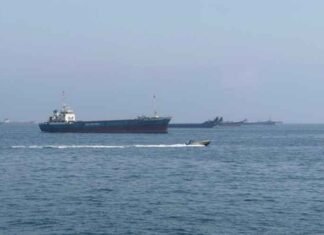
UN Secretary-General António Guterres separately warned that disruptions to maritime routes in the Strait of Hormuz, the Black Sea and the Red Sea were putting further pressure on global food and fertiliser supplies. He said the UN had developed a mechanism to facilitate the movement of fertilisers and related raw materials through the Strait of Hormuz.
WFP Acting Executive Director Carl Skau also warned that disruptions to maritime trade could push tens of millions more people into food insecurity.
 FOLLOW NOW