
New Delhi, September 21, 2026 (Yes Punjab News)
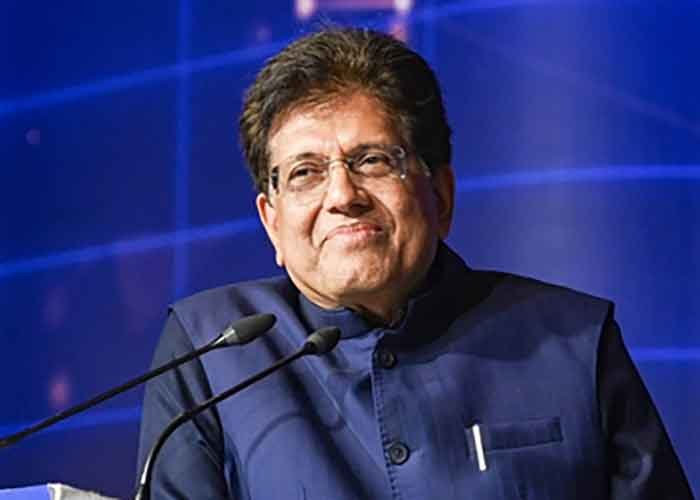
India will first examine the details of a new US law that allows tariffs of up to 100 per cent on countries continuing to buy Russian oil and gas before discussing the matter at an appropriate time, Commerce and Industry Minister Piyush Goyal said on Monday.
Responding to questions about the ‘Lindsey O. Graham Sanctioning Russia and Iran Act of 2026’, Goyal said the details of the legislation were still emerging and would be studied by the government.
“The details are now emerging. We will study them and discuss the matter at an appropriate time,” Goyal said at an event in New Delhi.
US President Donald Trump signed the legislation into law on September 18. The measure gives the US administration the authority to impose tariffs of up to 100 per cent on countries that continue to purchase Russian oil and gas.
The 100 per cent tariff is the maximum levy permitted under the legislation and is not an automatic duty.
The measure could affect major buyers of Russian oil, including India and China, by exposing their exports to the US to potentially higher tariffs.
The legislation, passed by the US House of Representatives, gives Trump broad powers to impose tariffs on the top five purchasers of Russian oil and gas. It also contains provisions targeting Iran’s energy and weapons sectors.
Meanwhile, India and the US continue negotiations on a bilateral trade agreement, with officials from both sides remaining in regular contact.
Goyal is expected to hold bilateral discussions with US Trade Representative Jamieson Greer during the G20 Trade Ministerial meeting in Milwaukee later this month.
The law is named after the late Senator Lindsey Graham, who died in July this year and had been a strong supporter of Ukraine amid its ongoing conflict with Russia.
The legislation includes exceptions for countries that import less than 15 per cent of their natural gas from Russia and are working to reduce their dependence.
It also provides for sanctions against Russian President Vladimir Putin, senior members of the Russian government, Russian banks and the country’s so-called shadow fleet of tankers used to circumvent sanctions.
 FOLLOW NOW