
New Delhi, September 8, 2026 (Yes Punjab News)
From Kolkata to Lucknow, the political journeys of two prominent nephews linked to powerful women chief ministers highlight sharply different battles over succession, party control and political legacy.
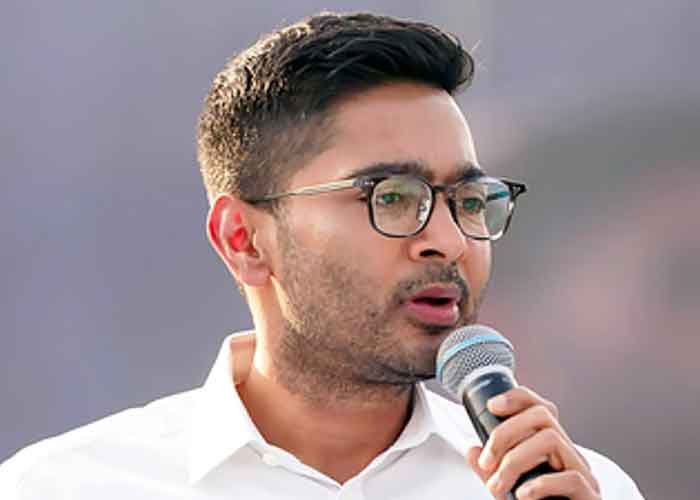
Trinamool Congress leader Abhishek Banerjee and Bahujan Samaj Party leader Akash Anand have both emerged as prominent younger faces of parties built around the towering political presence of their respective aunts, Mamata Banerjee and Mayawati. Both have also been targeted by opponents over allegations of political inheritance and “Parivarvaad” (nepotism).
Four years ago, Mamata Banerjee dissolved the Trinamool Congress’ national office-bearers’ committee, removing Abhishek from his position as national general secretary and replacing the arrangement with a 20-member working committee comprising senior party leaders. The move was widely seen as an indication of tensions between the party’s old guard and younger leadership.
However, within a week, Mamata reappointed Abhishek as national general secretary, effectively putting speculation about a serious rift between the two to rest.
His position within the Trinamool remains considerably more stable today. Abhishek continues to be regarded as the party’s number two and principal successor, even as he faces criticism from political opponents and sections within the party. He has played a major role in modernising the organisation, including introducing technology-driven election management systems and strengthening a centralised organisational structure around Mamata as the party’s principal face.
Akash Anand’s trajectory within the BSP has been considerably more turbulent.
Mayawati has repeatedly elevated her nephew as a potential political successor, only to remove him from key responsibilities later. She has again sidelined Akash, saying he needs greater “political maturity”, while giving important responsibilities to his younger brother Ishan Anand.
The latest move has once again raised questions over the BSP’s succession plan and Ishan’s potential role in the party.
Both Akash and Abhishek were also associated with attempts to take their parties towards a more digitally driven style of politics. Akash is credited with building the BSP’s official social media presence and expanding youth outreach aimed at retaining young Dalit voters. Abhishek, meanwhile, pushed technology-based campaign and organisational systems within the Trinamool.
Their political positioning, however, remains markedly different. Abhishek has retained institutional stability and considerable influence within the Trinamool, despite tensions that have periodically emerged between the younger leadership and veteran loyalists.
Akash, by contrast, has faced repeated changes in status at the discretion of Mayawati, underlining the BSP chief’s overriding authority within the organisation. Family ties have provided no guarantee of continuity in the BSP, where the final decision continues to rest with its supremo.
The electoral fortunes of the two parties also present contrasting challenges. Abhishek remains positioned within a formidable Trinamool political organisation in West Bengal despite electoral setbacks and sustained political, electoral and legal pressure.
The BSP, meanwhile, has experienced a prolonged decline in its vote share in Uttar Pradesh. Akash has therefore been navigating a shrinking political base, while Ishan faces the challenge of building a new political equation and rebuilding support among Dalit voters.
The Uttar Pradesh Assembly election is expected to be held in the first quarter of 2027, adding urgency to the BSP’s leadership and organisational calculations.
 FOLLOW NOW