

New Delhi, May 19, 2026
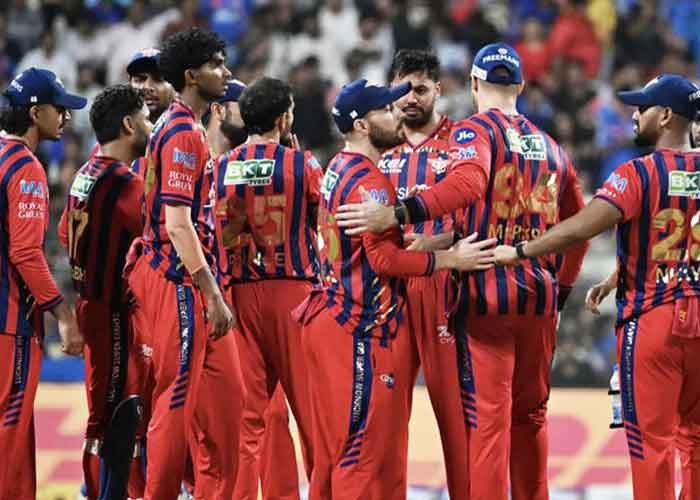
When Lucknow Super Giants (LSG) assembled their squad ahead of the Indian Premier League (IPL) 2026, they looked like one of the most balanced sides in the competition. A power-packed batting unit, experienced international names, proven Indian performers, and improved fast-bowling depth made them appear genuine title contenders on paper.
Instead, the season unravelled into one of frustration, inconsistency, and missed opportunities. LSG’s playoff hopes faded long before the final week of the league stage, with the side struggling to build rhythm across departments. While injuries and selection instability played a role, the larger problem was that the team never consistently clicked as a unit.
One of the defining features of Lucknow’s season was their inability to sustain winning runs. Every time the side appeared ready to revive its campaign, another collapse followed. They showed flashes of brilliance in isolated games, dominant batting displays, strong chases, and moments of individual brilliance, but failed to maintain consistency over multiple matches.
The contrast became particularly visible against stronger playoff contenders. LSG often remained competitive in the early phases of games before losing control in key moments, especially during the death overs with both bat and ball.
Their defeat to the Chennai Super Kings in Chennai summed up the season perfectly. After posting a competitive total and appearing in control during the middle overs, Lucknow lost momentum late in the innings and failed to contain CSK’s chase. Similar patterns repeated themselves throughout the campaign.
No storyline defined LSG’s season more than the struggles of captain Rishabh Pant. As the most expensive signing in IPL history, Pant arrived carrying enormous expectations. Lucknow invested heavily in him not only as a wicketkeeper-batter but also as the face of the franchise and long-term leader.
However, the season never truly took off for him. Pant’s batting remained inconsistent throughout the campaign. At times, he looked caught between aggression and caution, often failing to convert starts into defining innings. Several dismissals came while attempting high-risk shots under pressure situations, reflecting both the burden of captaincy and the instability around him in the batting order.
His leadership also came under scrutiny. Bowling changes, tactical decisions in tight games, and team combinations frequently raised questions, especially as LSG struggled to defend totals consistently. While Pant showed glimpses of his natural brilliance in a few cameos, the overall output fell well below the expectations attached to a marquee signing.
Nicholas Pooran endured a similarly uneven campaign. One of the most destructive T20 batters in world cricket, Pooran was expected to provide finishing power and middle-order stability. Instead, his season mirrored LSG’s larger inconsistency.
He struggled badly during the first half of the tournament, with questions emerging over both his form and strike rotation against spin. Although he recovered later with a series of aggressive knocks, including late-order hitting masterclasses in a few wins, the damage had already been done.
LSG’s middle-order often looked over-dependent on moments of individual brilliance rather than sustained partnerships. Players like Ayush Badoni and Abdul Samad contributed useful cameos, but the batting unit rarely delivered complete collective performances.
Among the few consistent positives for Lucknow was Mitchell Marsh. The Australian all-rounder played some of the side’s most impactful innings and frequently carried the batting through difficult phases. Whether attacking during the Power-play or stabilising the innings after early wickets, Marsh brought intent and clarity that was often missing elsewhere in the lineup.
In several matches, his performances kept LSG competitive despite failures around him. But one player alone could not rescue a campaign built on inconsistent support systems.
If the batting lacked consistency, the bowling lacked control. LSG repeatedly struggled in the death overs, both while defending totals and trying to restrict momentum in high-scoring games. The absence of a settled bowling combination hurt them throughout the tournament.
Fitness concerns surrounding Mayank Yadav proved especially damaging. After emerging as one of the breakout fast bowlers in recent IPL seasons, Mayank was expected to become Lucknow’s X-factor with raw pace and wicket-taking ability. But injuries and interrupted rhythm prevented him from making a sustained impact.
Meanwhile, senior bowlers failed to consistently close out games under pressure. On batting-friendly surfaces, particularly in night matches, LSG’s attack often looked short of both variation and execution. Opposition teams regularly targeted the final overs, turning competitive matches decisively in their favour.
Another major issue was the lack of stability in combinations. Throughout the season, LSG frequently altered batting positions, overseas combinations, and bowling roles in search of the right balance. While some of those changes were forced by injuries, the constant reshuffling prevented the side from developing defined roles.
At different stages, the team looked unsure whether it wanted to play aggressively from ball one or adopt a more controlled approach through the middle overs. That uncertainty is reflected in their cricket. Unlike the top teams, who developed clear identities as the season progressed, Lucknow often appeared reactive rather than proactive.
What makes LSG’s campaign particularly disappointing is the quality that existed within the squad. On paper, they possessed explosive finishers, experienced internationals, young Indian talent, and genuine pace options. But IPL seasons are rarely decided by potential alone.
Lucknow’s 2026 campaign became a story of missed momentum, tactical instability, underperforming stars, and an inability to deliver consistently under pressure. For a franchise that entered the tournament with championship ambitions, the season will ultimately be remembered not for what they achieved, but for what they failed to become.
With two clashes remaining before they close their campaign this season, both against teams still in the playoff race, LSG will look to play a spoilsport and finish on a high, thereby aiming to trouble Rajasthan Royals and Punjab Kings, who fight for the last remaining spot in the top four.(Agency)
 FOLLOW NOW