
New Delhi, May 13, 2026
Historical analysis of oil spikes showed that they do not permanently alter India’s GDP or inflation path and the structural relationships are weak over the long run, a report said on Wednesday.
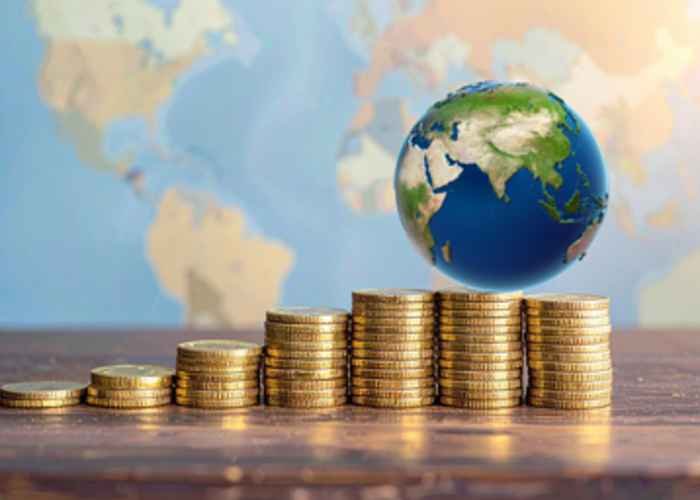
The report from Bank of Baroda said that autoregressive distributed lag model analysis of crude price changes over the last 54 years does not establish any long run relationship between oil prices, GDP, CPI (Consumer Price Index) and WPI (Wholesale Price Index).
Over the past 54 years, crude prices have risen over 20 per cent in 18 episodes, while the current episode saw a 39.7 per cent jump.
The report said that historically the peak of a shock lasted for 6–7 months and that oil price shock is concentrated in particular years and is not broad based, in which FY07–16 was unusually volatile.
Short‑run correlations between oil and wholesale prices (WPI, especially WPI‑Fuel) are strong, the report said, adding that CPI showed a weaker direct link because fuel has lower CPI weight and governments often absorb retail fuel shocks.
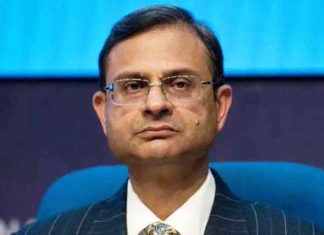
RBI Governor Sanjay Malhotra said that if the Middle East conflict continues, India may be forced to raise petrol and diesel prices due to the soaring cost of crude oil in the global market.
The RBI Governor highlighted that rising energy prices due to the Iran war are testing India’s flexible inflation targeting, necessitating potential policy intervention by the Reserve Bank. The central bank’s next monetary policy meeting is slated for June 5, when it will take a call on key interest rates, which it has left untouched to promote economic growth.
The Governor indicated that raising retail fuel prices is “a matter of time” if the West Asia crisis persists, which in turn would lead to an increase in transportation costs and inflation.
A report from Crisil Ratings said that Brent crude is expected to average $90‑95 per barrel in FY27, roughly 32 per cent higher year‑on‑year.(Agency)
 FOLLOW NOW