
Chandigarh, May 13, 2026 (Yes Punjab News)
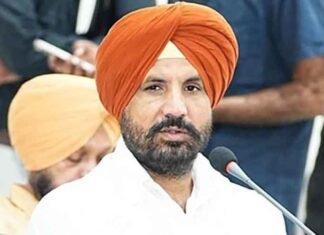
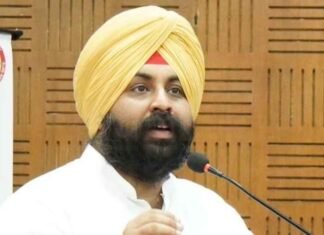
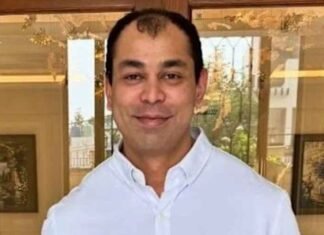
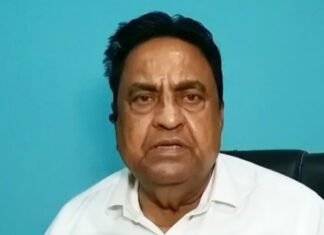
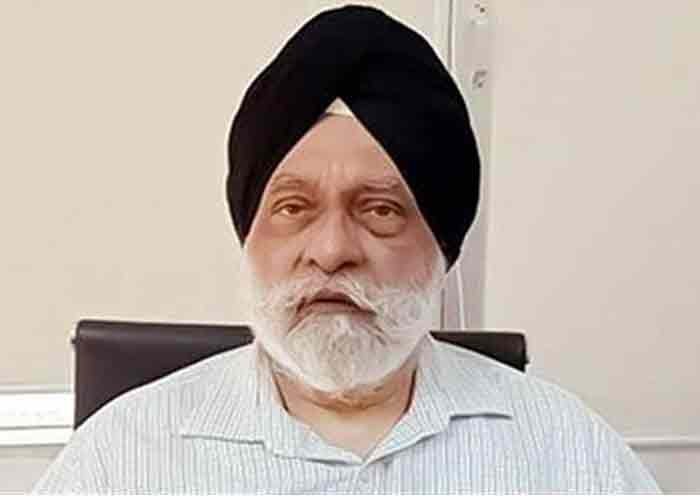
Patron of Shiromani Akali Dal (Punar Surjit) and former Speaker Ravi Inder Singh, in a press statement, has demanded the immediate withdrawal of the controversial order issued by Army Public Schools across Punjab that makes Sanskrit compulsory and Punjabi an optional language.
He said that this is not merely an administrative decision but a direct attack on Punjab’s linguistic identity and constitutional rights. Punjabi is not just a language – it is the soul of this land, its sacred culture, and a living memory.
The Punjab Learning of Punjabi and Other Languages (Amendment) Act, 2008, clearly states that in every school operating in Punjab, regardless of its board or management, Punjabi shall be a compulsory subject up to Class 10. Forcing parents to sign a “consent letter” if they wish to teach their children Punjabi constitutes a violation of the state’s law and of cultural and linguistic rights.
Ravi Inder Singh warned that making Punjabi optional in Punjab will cause long-term damage to the Panthic fabric of the state.
Those who are disconnected from their mother tongue gradually also lose their connection to their history, values, and the land itself. He further stated that we are already facing a crisis as our youth are leaving the state in search of employment. If we also take away their linguistic identity, what will remain of Punjab by the next generation?
Ravi Inder Singh, on behalf of Shiromani Akali Dal (Punar Surjit), has demanded that the Union Government and the Ministry of Defence immediately rescind this arbitrarily issued language policy and restore Punjabi as a compulsory subject in Army Public Schools.
He clarified that this demand is not against Sanskrit but for justice to our mother tongue. Just as Bengali is compulsory in Bengal and Marathi in Maharashtra, why is Punjabi being made “optional” in Punjab? If the Army Welfare Education Society wishes to include Sanskrit as a pan-India compulsory subject, it can certainly include Punjabi as a compulsory subject in Punjab. Anything less than that is linguistic discrimination.
Concluding his statement, S. Ravi Inder Singh also admonished both the state government and the Panthic leadership, saying that the time has come to move beyond symbolic gestures. Punjab’s youth are watching who stands up for their future. Today’s Akali Dal must do what the Akali Dal of 1920 did – unite with Panthic unity, struggle, and get this decision cancelled.
 FOLLOW NOW