

New Delhi, May 11, 2026
After Prime Minister Narendra Modi urged people to cut fuel use and avoid foreign travel amid the global energy crisis due to the US-Iran war, Congress leader Rahul Gandhi remarked that over the span of 12 years, the country has been brought to such a juncture that the public now has to be told what to buy and what not to buy, where to go and where not to go.
Rahul Gandhi took to social media ‘X’ and said, “Yesterday, Modi Ji called upon the public to make sacrifices—do not buy gold, do not travel abroad, consume less petrol, cut down on fertilisers and cooking oil, take the Metro, and work from home. These are not words of counsel; they are evidence of failure.”
He further said the country has been brought to such a state that the public now has to be told what to buy and what not to buy.
“Over the span of 12 years, the country has been brought to such a juncture that the public now has to be told what to buy and what not to buy, where to go and where not to go. Time and again, they shift the responsibility onto the public simply to evade their own accountability,” he said.
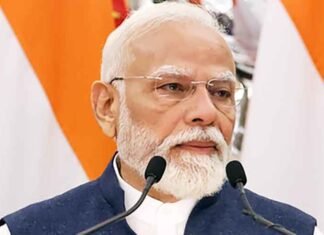
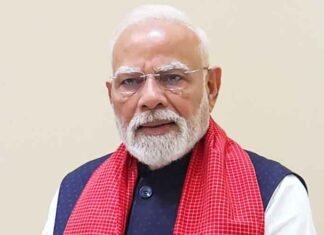
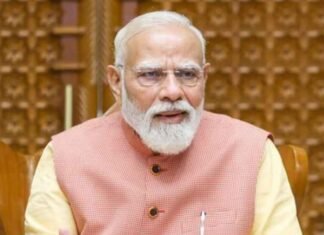
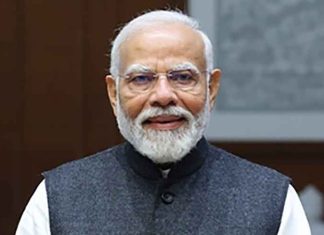
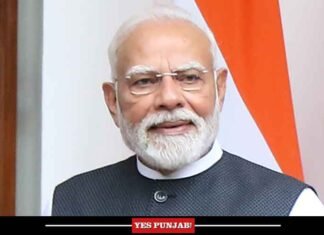
On Sunday, PM Modi urged citizens to avoid buying gold for a year and postpone foreign travel as part of a broader appeal to conserve foreign exchange amid global uncertainty.
Notably, the Prime Minister’s appeal is aimed at strengthening India’s economic resilience at a time when the West Asia conflict, rising energy prices and supply-chain disruptions are increasing pressure on import-dependent economies.
Addressing a BJP rally in Hyderabad on Sunday, PM Modi urged citizens to reduce non-essential foreign exchange outflows, including gold purchases and overseas travel, while stressing the importance of collective public participation amid the current global crisis.
“We have to save foreign exchange by any means,” PM Modi said, calling on people to postpone gold purchases and foreign vacations for one year.
The Prime Minister framed the appeal as part of a broader push for “economic patriotism”, alongside measures such as reduced fuel consumption, greater use of public transport, work-from-home systems, natural farming and support for swadeshi products.(Agency)
 FOLLOW NOW