



Washington, July 22, 2026
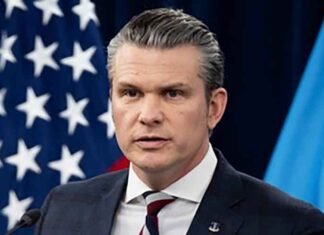
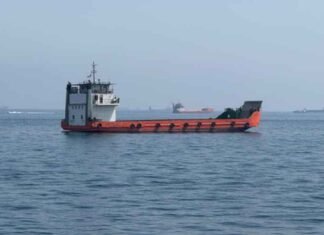
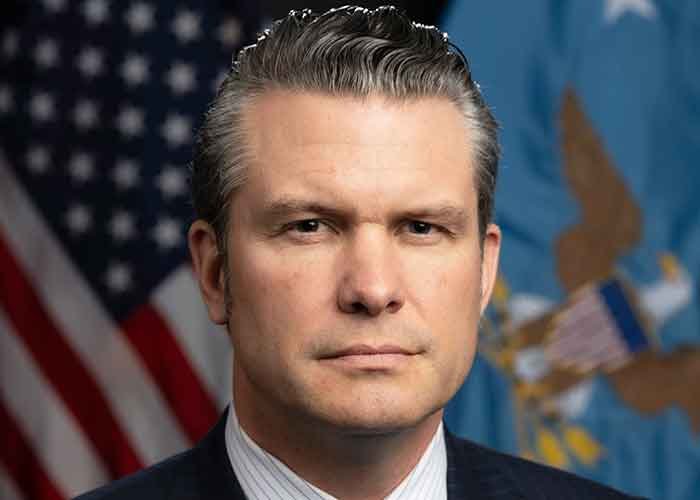
US Defence Secretary Pete Hegseth told senators that Russia and China were helping Iran as Tehran resumed attacks on commercial shipping and the United States intensified military operations around the Strait of Hormuz.
Hegseth disclosed the assistance during a Senate Appropriations Committee hearing on President Donald Trump’s request for $87.6 billion in supplemental funding. About $67 billion of the package is intended for the military.
Republican Senator John Hoeven asked whether Moscow and Beijing were helping Iran and, if so, how.
“There are ways in which both of those countries are limiting at different levels, enabling some of the things Iran is doing. Yes,” Hegseth said.
He did not disclose the nature or scale of the assistance. General Dan Caine, chairman of the Joint Chiefs of Staff, also declined to discuss the intelligence publicly.
“I’d rather not opine on the specifics because that would divulge what we know and I never want the adversary to know what I know. I just want to know it,” Caine said.
The disclosure came as Hegseth said US forces had struck Iranian targets for a 10th consecutive evening following renewed attacks on commercial vessels.
“We moved into an MOU where Iran said we won’t shoot at shipping, and then they turned — the IRGC turned around and decided to start shooting at commercial shipping again,” Hegseth said, referring to Iran’s Islamic Revolutionary Guard Corps.
He said the Trump administration had reimposed its blockade against Iran and described it as “effectively impenetrable”. The United States had also seized a ship inside the Arabian Gulf, he said.
Hegseth said American forces were targeting Iran’s ability to monitor activity around the Strait of Hormuz. Such operations provided tactical advantages to the United States, he said.
The defence secretary also disclosed that the United States had moved between 400 million and 500 million barrels of oil past Iran during what he called Project Freedom. The operation was conducted covertly with help from Gulf countries, he said.
“We’ve been in control of moving traffic through there for quite some time,” Hegseth said.
Democratic senators challenged that account, noting that Iran had again reduced commercial traffic through the strait. Senator Jack Reed said the waterway had been open before the war and accused the administration of failing to prevent disruption to global energy supplies.
Hegseth said Iran’s conventional navy had been sunk but acknowledged that Tehran retained fast boats, coastal missiles and the ability to mine international waters or attack commercial vessels.
He argued that the supplemental funding would help the United States operate around Hormuz while deterring Russia and China from intervening in future conflicts.(Agency)
 FOLLOW NOW