

Hoshiarpur, July 20, 2026 (Yes Punjab News)
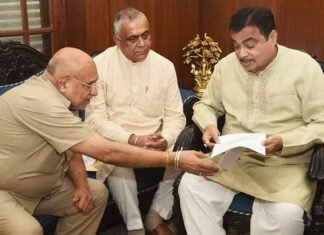
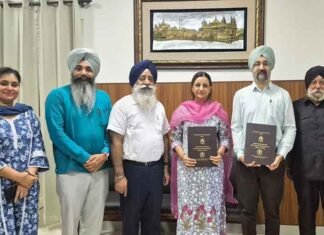
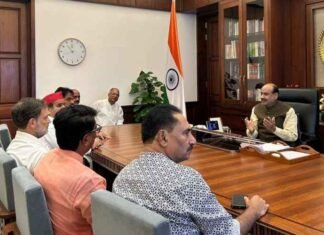
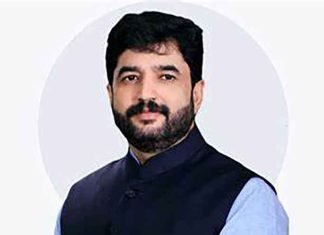
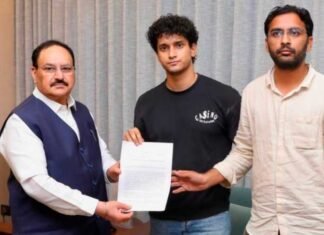
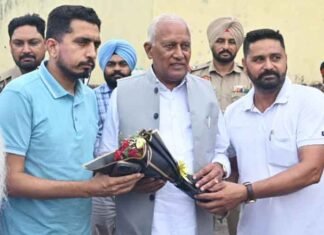
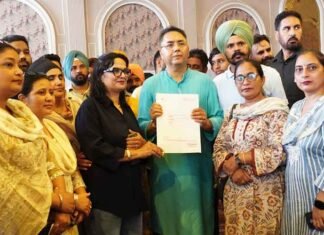
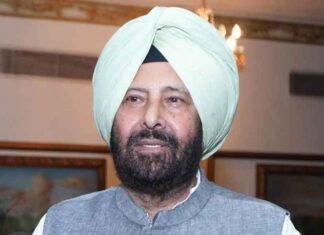
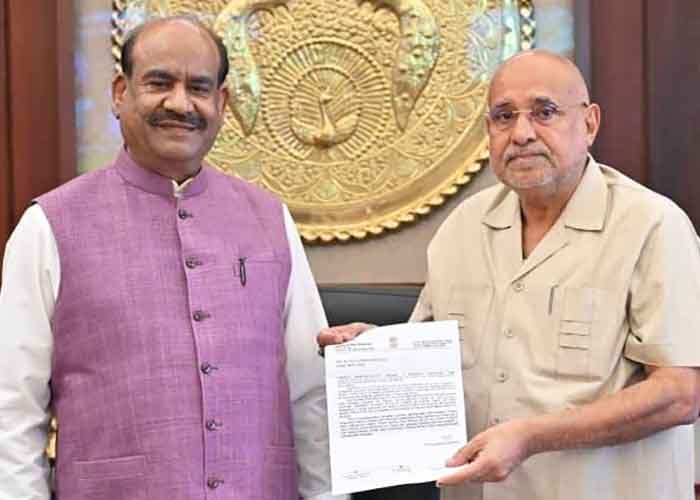
Former Member of Parliament Avinash Rai Khanna met Lok Sabha Speaker Om Birla and urged the Centre to launch a nationwide awareness campaign promoting heart valve donation and pacemaker donation, along with the scientific and ethical reuse of donated pacemakers, to make life-saving cardiac treatment more accessible and affordable.
During the meeting, Khanna submitted a representation highlighting the need to extend the success of India’s eye donation and organ donation movements to heart valve and pacemaker donation initiatives.
He said that while eye and organ donation have evolved into nationwide public movements through sustained government efforts and public participation, similar awareness is urgently needed for heart valve and pacemaker donation.
Khanna pointed out that every year thousands of pacemakers with substantial battery life remaining are buried or cremated with deceased patients. At the same time, many economically weaker patients are unable to undergo timely treatment because they cannot afford the high cost of new pacemakers.
Referring to scientific studies conducted in India and several other countries, Khanna said research has established that donated pacemakers can be safely and effectively reused after following proper medical protocols. However, he noted that India still lacks a comprehensive regulatory framework and a nationwide public awareness programme to facilitate such reuse.
In his representation, Khanna urged the Central Government to integrate heart valve and pacemaker donation with existing eye and organ donation programmes. He also called for a nationwide awareness campaign and the formulation of national guidelines and a regulatory framework for the safe reuse of donated pacemakers.
He suggested that the proposed framework be developed jointly by the Ministry of Health and Family Welfare, the Indian Council of Medical Research (ICMR), the Central Drugs Standard Control Organisation (CDSCO), the National Organ and Tissue Transplant Organisation (NOTTO), and leading cardiac institutions.
Khanna said implementing these measures would help save thousands of lives, improve access to affordable cardiac care, and ensure the responsible utilisation of valuable medical resources.
 FOLLOW NOW