



Washington, November 13, 2026 (Yes Punjab News)
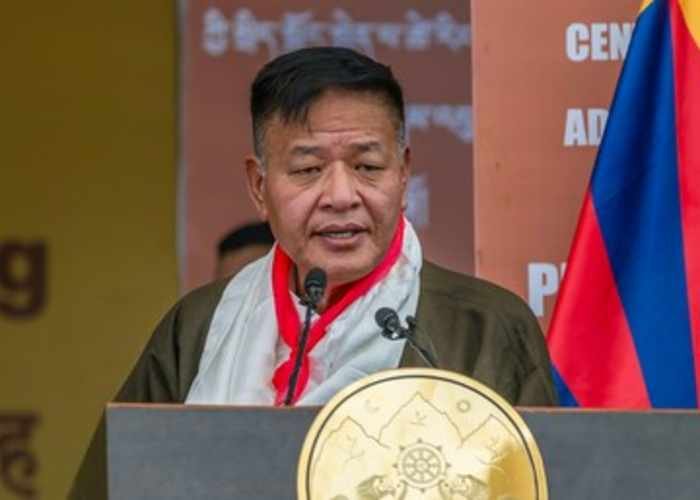
China is intensifying efforts to reshape Tibet’s language, religion and cultural identity, particularly among children, in a campaign that could weaken their historical and cultural connections with India, Central Tibetan Administration leader Penpa Tsering has alleged.
In an interview during his visit to Washington, Tsering, the elected political leader of the Central Tibetan Administration (CTA), said conditions in Tibet were deteriorating, with restrictions extending beyond security controls to pervasive surveillance, political interference and cultural assimilation.
“It’s getting worse and worse,” he said, adding that there was virtually no political space left for Tibetans.
Tsering identified China’s education system as a key instrument of assimilation. He alleged that Tibetan-medium education was being displaced by Mandarin-dominated institutions and that children as young as four were being sent to residential schools where the use of their mother tongue was discouraged.
“They are striking at our language in the form of colonial style boarding schools,” he said.
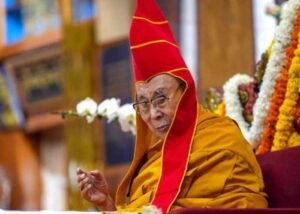
According to Tsering, the impact was visible in children’s attitudes towards their own heritage, with some returning home reluctant to speak Tibetan. He linked the trend to China’s ethnic unity and progress law, which he said was adopted on March 12 and provided formal backing to assimilation policies pursued over the past decade.
He also raised concerns over restrictions on Tibetan-language signage, changes to monastery designs and pressure on religious institutions to promote loyalty to the Communist Party rather than focus on Buddhist learning.
Tsering said these developments threatened the intergenerational transmission of Tibetan culture and could reshape how younger Tibetans viewed India, which has historically been regarded with respect because of its Buddhist heritage and support for Tibetan refugees.
He also linked Tibet’s political transformation under Chinese rule to the security situation along India’s northern frontier, arguing that the Himalayan border dispute could not be viewed separately from the events that brought Tibet under Chinese control in the middle of the last century.
Praising India’s support for Tibetans in exile, Tsering described the Indian government and people as the community’s biggest source of assistance.
“Indian government is our biggest support,” he said. “If it is not for the government and people of India, then we don’t exist.”
He said India’s contribution through education, rehabilitation and humanitarian programmes exceeded the assistance received from the United States, although he declined to provide a financial comparison.
Tsering further accused Beijing of attempting to restrict the Tibetan leadership’s international outreach by contacting organisations and officials ahead of meetings with him. Referring to a recent visit to Amsterdam, he said Chinese diplomatic representatives had approached people he was scheduled to meet.
He urged foreign governments to distinguish support for Tibetan rights from hostility towards China, arguing that standing with Tibet was a matter of justice and truth.
Despite his criticism of Beijing, Tsering ruled out armed resistance and reaffirmed the Tibetan movement’s commitment to non-violence and negotiations. He said the movement was not seeking independence but meaningful autonomy under the Middle Way approach, which envisages Tibetans managing their cultural and religious affairs within an autonomous framework.
He argued that armed resistance would be disproportionate given China’s military strength and could provide Beijing with an opportunity to label Tibetan activists terrorists and intensify repression.
Tsering maintained that a negotiated settlement would offer a more lasting solution, noting that Tibetans and Chinese would remain neighbours irrespective of the eventual political arrangement.
 FOLLOW NOW