

Washington, November 13, 2026 (Yes Punjab News)
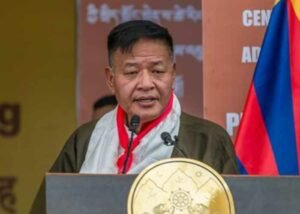
China is seeking to control the selection of the next Dalai Lama to strengthen its influence over Tibetan Buddhism and the wider Tibetan community, Central Tibetan Administration leader Penpa Tsering has alleged.
In an interview in Washington, Tsering, the elected political leader of the Central Tibetan Administration (CTA), said the question of the Dalai Lama’s reincarnation had become a major concern for Tibetans and international supporters of religious freedom.
“They believe that if they can control the next Dalai Lama’s reincarnation, they can control the whole of Tibet,” he said, referring to the Chinese authorities.
Tsering accused Beijing of interfering in religious institutions by demanding political loyalty to the Communist Party and promoting the study of Chinese President Xi Jinping’s ideas in monasteries. He said such requirements were incompatible with Buddhist religious practice and scholarship.
He also criticised China’s rules governing the recognition of reincarnated religious figures, alleging that Beijing wanted to retain final authority over the identification of the 15th Dalai Lama.
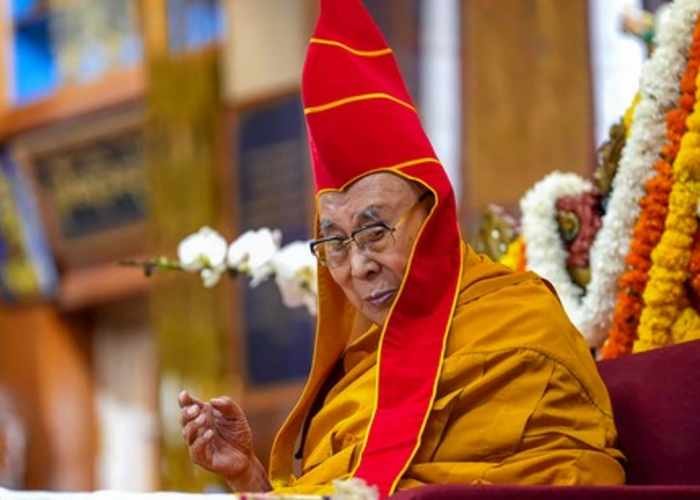
According to Tsering, the present Dalai Lama had clarified his position ahead of his 90th birthday in July 2025, stating that his reincarnation would take place in a “free world” rather than under the supervision of the Chinese government.
Tsering argued that the recognition of a spiritual successor should be determined by Tibetan Buddhist religious traditions, not by a government that does not subscribe to any religion.
He cited the case of the Panchen Lama recognised by the Dalai Lama, whose whereabouts have remained unknown to the Tibetan leadership. Tsering said the episode had deepened concerns about China’s role in future religious succession.
“We still don’t know whether he’s alive or not,” he said.
He alleged that China had promoted its own Panchen Lama and could seek to use that figure in the process of identifying the next Dalai Lama, a prospect he said would be unacceptable to followers of the current spiritual leader.
Tsering said Tibetans were preparing for the eventual transition and would rely on the Dalai Lama’s public guidance on reincarnation. He stressed that the larger issue was the community’s right to preserve its religious traditions without state interference.
He also pointed to bipartisan support for the Tibetan cause in the United States, citing legislation updated in 2020 that provides for sanctions against Chinese officials involved in interfering with the Dalai Lama’s succession.
Describing the US position as strong, Tsering also highlighted India’s religious diversity and commitment to freedom of belief, calling the country an important partner for Tibetans.
 FOLLOW NOW