

Islamabad, April 29, 2026
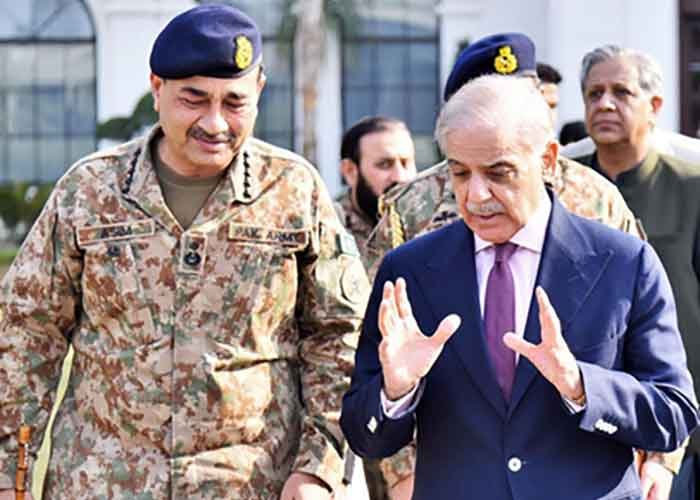
Highlighting that Pakistan faced losses due to the restrictions imposed in Islamabad last week as the local authorities hoped that dignitaries would arrive for the Iran-US talks which eventually did not take place, several experts reckon that the country must focus on its own problems which have increased due to the US-Iran war instead of government showing unity and speed on global issues.
“As Iran-US talks hit another snag, we must ask if a state with its own problems can successfully facilitate talks by itself on a conflict that persists despite years of strong mediation by many richer states.
The losses from Islamabad’s closure last week add to the worry, more so as the talks didn’t take place given American obduracy. Given the impasse and the rise in our own problems due to the war, we must focus on the latter too — especially as our rulers show unity and speed on global problems but inertia on internal ones.
So, the same-page synergy shown in talks hasn’t yielded any major steps for durable, broad progress yet since its start in 2022,” Niaz Murtaza, wrote in Pakistan’s leading daily Dawn.
Murtaza asserted that investment, exports and growth continue to remain weak while poverty has increased in Pakistan. Still, the Pakistani authorities are not focused on industrial growth to ensure jobs for youth even as the war in West Asia refuels inflation and may further reduce growth.
Experts believe that, even if the talks between the US and Iran succeed, it is not sure whether Pakistan would receive investment and have growth as there are many internal problems. The UAE recalled its loan due to the war in West Asia while Pakistan might get into new wars due to new Saudi Arabia loans.
Pakistan will unlikely receive inflows from the US, despite the good ties between US President Donald Trump and Pakistan’s ruling elite, except perhaps a little in mining that may give more pain than gain, the Dawn report cited.
At the same time, conflict with Afghanistan and Islamabad-Kabul talks hosted by China have not ended Tehreek-e-Taliban (TTP) violence. Violence continues in Balochistan as state for years have been using force to suppress the symptoms while the root causes have not been addressed, causing greater discontent and more violence.
Democracy is being eroded in Pakistan in key axes: parliamentary, oppositional, electoral, accountability and societal freedom. Lawyer-activist Imaan Mazari-Hazir and her husband have been jailed for sharing posts on X under the Prevention of Electronic Crimes Act (PECA) laws. So, the war and Pakistan’s role in it may increase matters at home.
Blowbacks and a loss of face cannot be ruled out if the talks between the US and Iran do not success. However, gains for the masses in Pakistan will be few if the talks succeed.
“The inertia is the result of rulers who don’t have the capacity to ensure broad progress nor the desire to share their riches, as the reforms require.
This lack of change results in economic inertia which, in turn, fuels political grievances that the state then attempts to quell by force. Not attending to these grievances can lead to unrest and militancy that is met through kinetic measures alone; indeed, one of the main drivers — elite wealth — is not addressed,” Niaz Murtaza mentioned.(Agency)
 FOLLOW NOW