
New Delhi, November 10, 2026 (Yes Punjab News)
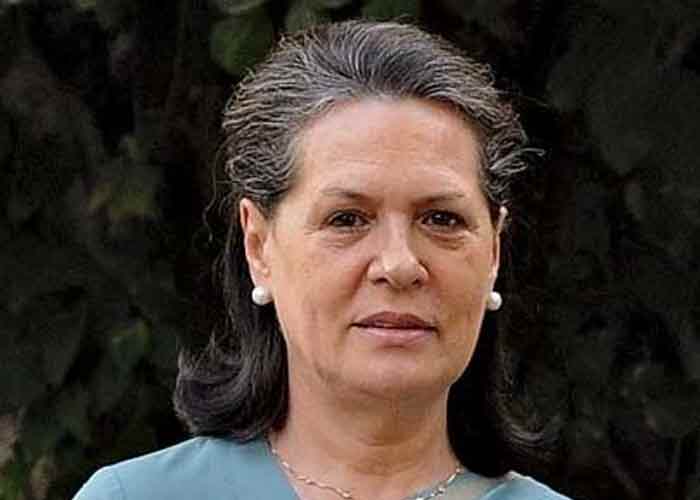
Congress Parliamentary Party Chairperson Sonia Gandhi has recalled the moral and emotional dilemma she faced when the Congress considered an alliance with the Dravida Munnetra Kazhagam (DMK) in the years following the assassination of former Prime Minister Rajiv Gandhi.
In her memoir, Belonging: A Journey of Love, Sonia Gandhi writes that the political situation in the early 2000s appeared favourable for opposition parties to unite against the BJP-led government. However, the prospect of joining hands with the DMK caused her deep unease because of the party cadre’s alleged support for the LTTE, the terrorist organisation responsible for Rajiv Gandhi’s assassination.
She recalls that during the 1991 elections, some DMK supporters had openly threatened Rajiv Gandhi. The Jain Commission report in 1997, which held a DMK leader responsible for tacitly supporting the Tamil assassins, had also prompted the Congress to withdraw support from the IK Gujral government.
“With those painful memories returning to torment me, I’d ask myself, ‘What should I do? If I join hands with them, won’t it amount to a betrayal of Rajiv?’” Sonia writes.
She also considered whether Rajiv Gandhi himself might have supported the alliance if it was necessary to strengthen the opposition against the BJP. Faced with an urgent political decision, she eventually made the first telephone call to then DMK chief M. Karunanidhi.
Sonia recalls that although the two leaders did not share a common language, their conversation was cordial. Subsequent meetings helped them find common ground in arts, literature and Tamil heritage. Seat-sharing arrangements and campaign coordination were subsequently worked out, leading to the formal formation of the United Progressive Alliance (UPA) on May 4, 2004.
Reacting to the memoir, DMK leader TKS Elangovan said Sonia Gandhi had allied with the DMK because it was the only viable way to take on the BJP in Tamil Nadu. He maintained that the DMK had supported the cause of Sri Lankan Tamils but had never endorsed Rajiv Gandhi’s assassination.
The account offers a personal insight into the political and emotional considerations behind the Congress-DMK alliance in the post-Rajiv Gandhi era.
 FOLLOW NOW