
Washington, May 6, 2026
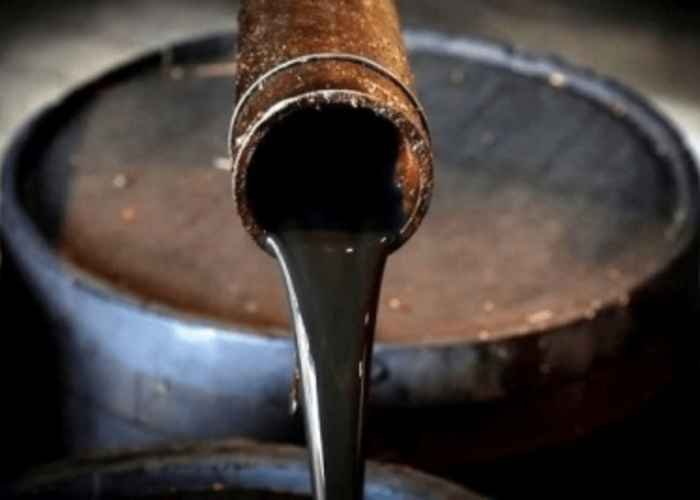
Oil prices plunged as much as 10 per cent on Wednesday after reports suggested the United States and Iran were nearing a possible agreement to end the Gulf conflict, easing fears of prolonged disruption in the Strait of Hormuz.
West Texas Intermediate (WTI), the US benchmark, dropped as much as 10 per cent in early trading before recovering slightly to trade around $94.32 a barrel, according to Business Insider. Brent crude, the international benchmark, fell 7 per cent to about $102.14 a barrel.
The New York Times reported that Brent crude later traded around $103 a barrel, while WTI hovered near $96 a barrel as investors reacted to signs that tensions in the Gulf may be easing.
The market rally followed a report by Axios that Washington and Tehran are close to agreeing on a one-page memorandum of understanding aimed at ending the conflict that began in late February. The report said major progress could be made within the next 48 hours.
President Donald Trump said the US was pausing “Project Freedom”, a naval operation launched earlier this week to escort commercial ships through the strait. The Wall Street Journal reported that the operation had triggered fresh Iranian attacks on merchant ships and US naval vessels in the region.
“Assuming Iran agrees to what has been agreed to, which is, perhaps a big assumption, the already legendary Epic Fury will be at an end, and the highly effective Blockade will allow the Hormuz Strait to be open to all, including Iran,” Trump wrote on Truth Social.
Trump also warned Tehran that “if they don’t agree, the bombing starts, and it will be, sadly, at a much higher level and intensity than it was before”.
Despite the market optimism, tensions in the Gulf remained high. The Wall Street Journal reported that ships attempting to cross the Strait of Hormuz on Wednesday received warnings from Iran’s Revolutionary Guard navy saying the waterway remained blocked.
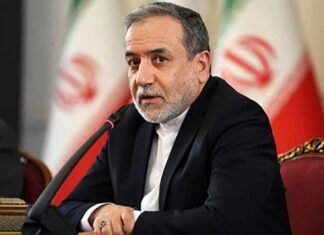
China also stepped into the diplomatic effort. The New York Times reported that Chinese Foreign Minister Wang Yi held talks with Iran’s Foreign Minister Seyed Abbas Araghchi in Beijing and urged Tehran to help stabilise the region. China remains one of the largest buyers of Iranian crude oil.
The conflict has sharply increased fuel costs in recent weeks. The New York Times reported that average gasoline prices in the United States rose to $4.54 a gallon, while diesel prices climbed to $5.67 a gallon since the conflict began.(Agency)
 FOLLOW NOW