

Kabul, May 6, 2026
Afghanistan’s High Commission for Addressing Migrants’ Problems has urged international organisations and the United Nations High Commissioner for Refugees (UNHCR) to hold talks with Pakistan so that Afghan nationals do not face difficulties. It also urged to ensure that the refugees do not face harassment, enabling their swift return.
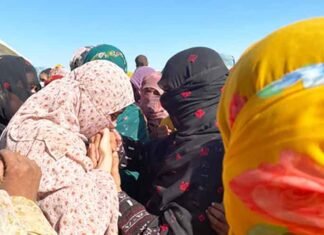
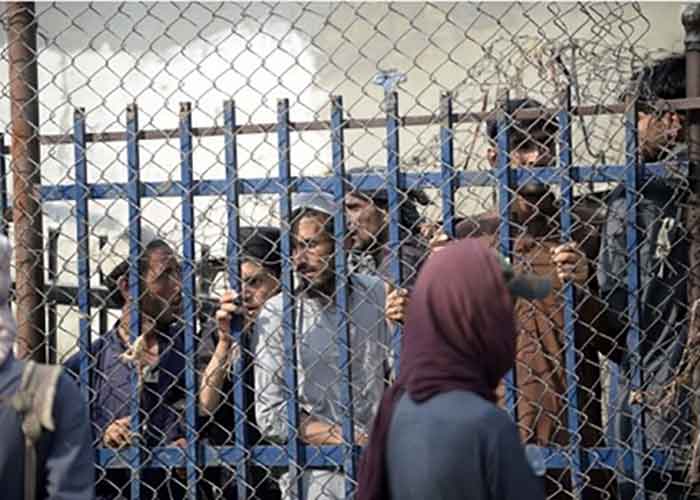
The commission stressed that issues of Afghan refugees should be addressed as a matter of urgency. It stated that Afghan refugees entering Afghanistan through the Torkham crossing are often held up on the Pakistani side for days for different reasons. It further mentioned and that those affected include women, children, and elderly people, many of whom face difficulties while waiting on roads in uncertain conditions, Afghanistan-based Ariana News reported.
The commission said, “Our request is that Afghan migrants should not be left waiting on the other side of the border.” It stated that Afghanistan has necessary capacity to receive and resettle Afghan refugees who return to the country, Ariana News reported.
It further said, “Regardless of the number arriving each day, we are able to manage them and provide the required services.”
Last month, US-based advocacy group Human Rights Watch (HRW) said that the Pakistani authorities have increased raids, arbitrary detentions and forced deportation of Afghan refugees after renewed border clashes with Afghanistan. HRW noted that thousands of vulnerable Afghan refugees, including children, have been face serious problems in accessing healthcare, education and other essential services due to police operations.
It also highlighted that Pakistan’s forced deportation of Afghans may amount to violations of the country’s obligations as a party to the UN Convention Against Torture and the customary international law prohibition against refoulement or forced return to a place where they would face a genuine risk of persecution, torture, or other ill-treatment, or a threat to their life.
“Pakistani authorities are spreading fear among Afghan refugees instead of treating them as people in need of protection. Abusive police practices are forcing people to forgo food and healthcare while mass deportations are returning refugees to possible persecution and worse in Afghanistan,” emphasised Fereshta Abbasi, a researcher at HRW.
Abbasi urged Pakistan to take action against abusive police practices and immediately stop forcibly returning Afghan refugees. She urged the international community to raise their concerns about these practices with the Pakistani government and denounce continuing human rights violations by Afghanistan.
As the fighting between Pakistan and Afghanistan having escalated since February, Pakistani police have increased operations against Afghan people in several areas of the country, conducting door-to-door raids, late-night night home searches, and arrests without warrants, the statement released by HRW revealed.
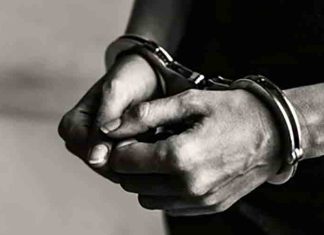
Police have arrested Afghans with valid visas and those without proper documents, which many Afghans lack since the Pakistani authorities stopped renewing Proof of Registration cards and other residency documents for Afghan refugees in 2023. Police usually transfer detained refugees to holding centres and then deport them. Over 146,000 Afghans have been deported from Pakistan in 2026, with the numbers increasing since April 1.
According to the statement, HRW interviewed eight Afghans in Pakistan from February-April and four had recently returned to Afghanistan and representatives of aid groups working with Afghan refugees. Those interviewed said that police arrested Afghans while they were shopping, going to school and seeking day labour, seizing their phones, cash and demanding bribes in exchange for release. Those who are not able to pay money have been detained and deported.
HRW stated that many Afghans, including journalists, human rights defenders, activists, and others, were at risk if they were deported to Afghanistan due to their past involvement with the former Afghan government or perceived criticism of the Taliban. Among those detained and forcibly deported are journalists who fled Afghanistan after the Taliban seized power in August 2021.(Agency)
 FOLLOW NOW