


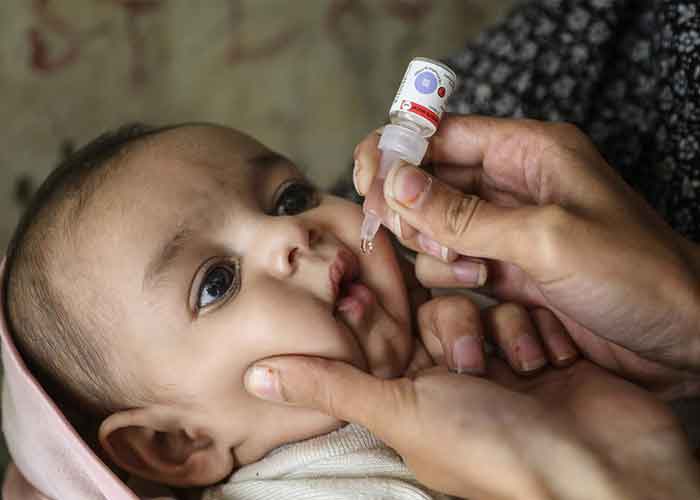
New Delhi, November 15, 2026 (Yes Punjab News)
More than 15 years after India reported its last case of wild poliovirus, Pakistan continues to battle the crippling disease, with public health experts calling for stronger vaccination outreach, improved surveillance and greater community trust to achieve eradication.
Pakistan and neighbouring Afghanistan remain the only two countries where wild poliovirus is still endemic, despite years of immunisation campaigns and extensive assistance from national and international health organisations, according to a report by The Friday Times.
Experts say Pakistan’s challenge goes beyond vaccine hesitancy. Population movement, gaps in routine immunisation, cross-border migration and insecurity in certain regions have left thousands of children vulnerable to infection. Misinformation and distrust among sections of the population have further complicated vaccination efforts.
India’s experience is being cited as an example of how sustained political commitment, effective community mobilisation and rigorous disease surveillance can help eliminate the virus. India reported its last case of wild poliovirus in January 2011 and was officially declared polio-free in 2014. Bangladesh has also maintained its polio-free status.
Public health specialists point out that India’s achievement resulted from a combination of repeated immunisation drives, targeted efforts in vulnerable areas, community participation and surveillance systems capable of detecting the virus before paralytic cases emerged. They also underline the contribution of international organisations, including the World Health Organisation, in providing technical expertise and surveillance support.
Experts have warned that the absence of reported paralytic cases does not necessarily indicate that poliovirus transmission has stopped. Since most infections do not cause paralysis, environmental surveillance, particularly testing sewage samples, remains essential for identifying circulation of the virus.
Laboratory testing and genetic sequencing also help health authorities trace transmission routes and establish links between outbreaks.
The detection of genetically related poliovirus strains in Pakistan and Afghanistan has reinforced calls for closer cooperation between the two countries. Experts say coordinated vaccination campaigns, surveillance and timely information-sharing are crucial to preventing cross-border transmission and protecting vulnerable communities.
They argue that Pakistan must focus not only on conducting more vaccination rounds but also on ensuring that children repeatedly missed by immunisation teams are reached and that public confidence in vaccination programmes is strengthened.
 FOLLOW NOW