
Surrey, BC, April 30, 2026(Yes Punjab News)
The World Sikh Organization of Canada (WSO) and the BC Ferry & Marine Workers’ Union (BCFMWU) are marking a historic milestone in workplace inclusion and human rights following nearly four years of sustained advocacy to remove discriminatory barriers affecting Sikh workers in the marine sector.
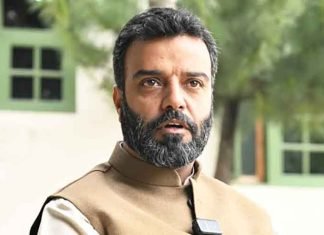
As a direct result of these efforts, Karambir Singh has become the first Sikh marine engineer with a full beard to secure a position with BC Ferries, while Gurpreet Singh Bajwa is the organization’s first turbaned Sikh Deck Officer and Captain. This breakthrough represents a significant step forward in ensuring Sikh Canadians can fully participate in maritime professions without compromising their religious identity.
For years, Sikh workers faced systemic barriers due to clean-shaven requirements tied to self-contained breathing apparatus (SCBA) policies. These requirements effectively excluded individuals who maintain unshorn hair as part of their faith, despite the availability of safe alternatives and evolving international standards.
These policies created a “no shave, no shift” reality, denying qualified workers employment opportunities based solely on religious observance. Such requirements imposed a de facto exclusion of Sikh workers, contrary to protections under the Canadian Charter of Rights and Freedoms and the BC Human Rights Code, which require accommodation to the point of undue hardship.
Following sustained joint advocacy by WSO and BCFMWU, BC Ferries conducted a comprehensive risk assessment and determined that several positions did not require immediate SCBA readiness. As a result, the organization removed the clean-shaven requirement for Deck Officers, Chief Engineers, and most First Engineer roles.
BC Ferries confirmed that this fleet-wide decision will positively impact employees who wear beards for religious, medical, or personal reasons, while maintaining a high standard of safety across operations.
While this milestone marks meaningful progress, WSO emphasized that the broader issue remains unresolved. Current regulatory language continues to prioritize “skin-to-seal” assumptions, effectively maintaining a clean-shaven standard even where safe and effective alternatives exist.
These barriers extend far beyond the marine sector, affecting workers across emergency response, firefighting, oil and gas, construction, healthcare, and other industries requiring respiratory protection.
WSO continues to advocate for regulatory reform through WorkSafeBC, calling for a shift toward performance-based standards that assess whether respirators achieve an effective seal, rather than requiring workers to be clean-shaven. As outlined in WSO’s formal submissions, modern safety standards must focus on outcomes, not appearance.
In parallel, WSO is supporting ongoing research and validation of the Singh Thattha Method (STM), an emerging evidence-based beard management technique that may allow Sikh workers and others with beards to safely use respirators without exclusion from entire professions.
WSO President Danish Singh said:
“This marks a significant step forward for equality and inclusion in British Columbia. For too long, Sikh workers have been forced to choose between their faith and their careers. Blanket clean-shave requirements are neither appropriate nor consistent with the law. This decision shows that with evidence-based policy, collaboration, and persistence, safety can be fully maintained while respecting fundamental rights.”
Describing his experience, Karambir Singh said:
“I had the required Marine Engineering credentials and consistently reached the final stages of hiring, but each time I was told I would need to be clean-shaven. Because of my faith, that was not an option. This is a proud moment. It shows that change is possible, but there is still work to be done to ensure full and equal access for everyone.”
Capt. Gurpreet Singh Bajwa joined BC Ferries in 2023 as a Deck Officer. At the time of his hiring, the turban was not recognized within the organization’s uniform policy. Through sustained, constructive engagement with leadership and the union, he played a key role in advancing a landmark policy change in July 2024 that formally accommodated the turban as part of the uniform.
Capt. Bajwa later represented union workers during BC Ferries’ comprehensive risk assessment process, where he advocated for inclusive, alternative approaches to the clean-shaven policy, helping ensure that safety standards are upheld while respecting the religious identity of Sikh employees.
“I stood my ground for my faith, not just for myself, but so that no one after me has to choose between who they are and the career they deserve,” said Capt. Bajwa.
While this breakthrough represents a major step forward, WSO emphasized that full equality will require broader regulatory reform to ensure Sikh workers are not excluded from any profession due to outdated assumptions.
WSO is a non-profit national organization with a mandate to promote and protect the interests of Canadian Sikhs as well as to promote and advocate for the protection of human rights of all individuals.
 FOLLOW NOW