
New Delhi, October 18, 2026 (Yes Punjab News)
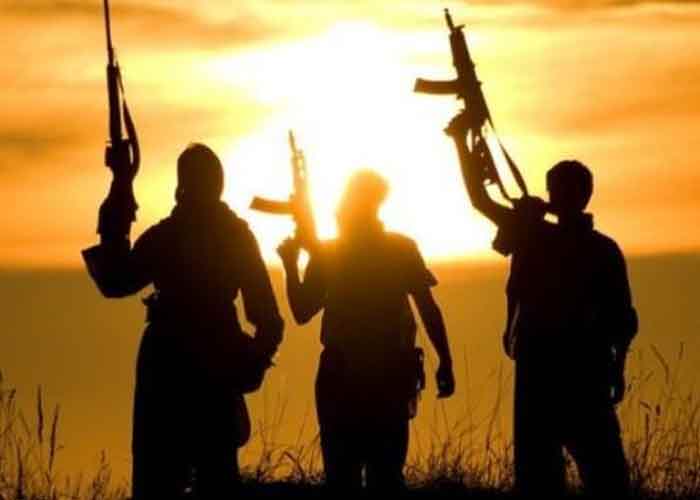
A recent report by the European Union Agency for Asylum (EUAA) has renewed scrutiny of Pakistan’s long-standing approach to militant groups, with an analysis published by Parrhesia News arguing that the country’s distinction between “good Taliban” and “bad Taliban” fails to reflect the complex links within the militant landscape.
Italian journalist and South Asia expert Francesca Marino, writing for Parrhesia News, cited the EUAA’s Country Guidance: Pakistan, released on October 1, to highlight reported connections involving Jaish-e-Mohammed (JeM), Harakat-ul-Mujahideen and factions associated with the Tehreek-e-Taliban Pakistan (TTP).
The analysis does not claim that JeM takes orders from the TTP. Instead, it argues that militant organisations have overlapping ideological influences, recruitment networks and personnel, making rigid distinctions between them difficult to sustain.
Marino wrote that fighters move between organisations, commanders defect, factions merge and religious seminaries can supply recruits to multiple militant networks.
The analysis also challenged Islamabad’s portrayal of the TTP primarily as an Afghan problem, arguing that the movement emerged from Pakistani commanders and the country’s former tribal areas, shaped by decades of militant activity and state policy.
According to Marino, Pakistan’s approach historically distinguished between militant groups based on their perceived strategic usefulness. Groups fighting in Afghanistan or targeting India were treated differently from those attacking the Pakistani state, which were designated as terrorist organisations.
The analysis argued that these distinctions proved unsustainable because the groups shared ideological influences, clerics, veterans and recruitment networks.
It also questioned what it described as inconsistencies in Pakistan’s approach to militant infrastructure. While Islamabad has demanded that Afghanistan dismantle militant sanctuaries and has conducted strikes on Afghan territory, Marino pointed to the reported rebuilding of JeM’s facilities in Bahawalpur.
The article further claimed that, following India’s Operation Sindoor, JeM had shifted towards dispersing its operations rather than dismantling its network, with its Markaz Subhan Allah facility in Bahawalpur reportedly undergoing reconstruction and its digital fundraising activities expanding.
These assertions form part of Marino’s analysis and were not independently established in the material provided.
The article concluded that Pakistan’s policy of distinguishing between strategically useful militant groups and those targeting the state had contributed to the security challenges it now faces. It argued that networks developed for operations beyond Pakistan’s borders could ultimately generate threats within the country itself.
The EUAA document cited in the analysis is a country-guidance publication on Pakistan; the broader conclusions about Islamabad’s historical strategy and the rebuilding of militant infrastructure are Marino’s interpretations of the available information.
 FOLLOW NOW