
New Delhi, November 14, 2026 (Yes Punjab News)
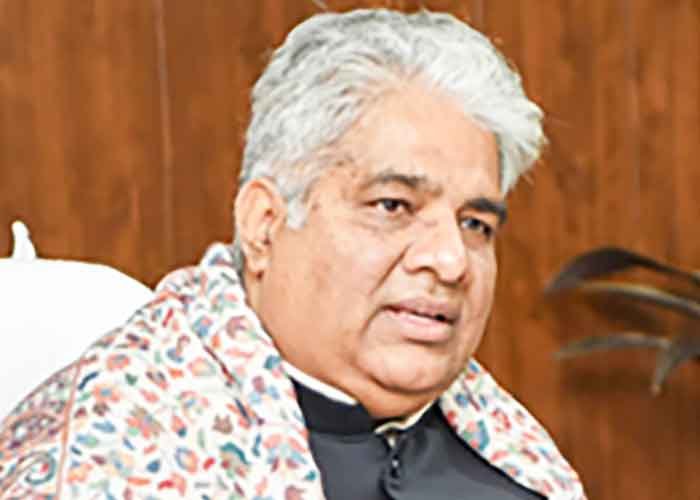
Union Environment Minister Bhupender Yadav on Saturday called for coordinated efforts, field-level accountability and visible action by all states in the National Capital Region (NCR) to tackle air pollution.
Chairing a review meeting to assess pollution-control measures undertaken by Delhi, Haryana, Uttar Pradesh and Rajasthan, Yadav stressed that real-time inputs from sensors, cameras and satellites must be combined with physical inspections to identify violations and ensure prompt enforcement.
He directed agencies to complete pending measures within stipulated timelines and launch extensive Information, Education and Communication (IEC) campaigns involving citizens, resident welfare associations, transport associations and the construction industry.
The minister also called for strict implementation of the Graded Response Action Plan (GRAP). He urged NCR states to adopt Delhi’s hotspot-focused winter action plan, which includes traffic management, work-from-home measures, construction restrictions and steps to prevent open burning.
Under the Commission for Air Quality Management’s order dated October 30, dust-generating construction and demolition activities have been restricted across the NCR from November 5 and 6.
Yadav called for expediting the PARIVARTAN Scheme (Programme for Accelerated Renewal and Incentivization of Vehicle Assets for Reducing Transport Air Pollution and Network Emissions). The scheme aims to replace pre-BS-VI trucks and buses with BS-VI, CNG and electric vehicles by 2028. He particularly stressed accelerating beneficiary registrations in Uttar Pradesh, Rajasthan and Haryana through state-level PARIVARTAN Melas.
The minister also asked states to address the gap of 6,747 tonnes per day in municipal solid waste processing capacity, prevent open dumping and burning, and speed up the remediation of legacy waste at Okhla, Ghazipur, Bhalswa and Bandhwari.
He called for physical inspections of more than 3,000 active construction and demolition sites, timely waste collection from secondary collection points, functional recycling plants and digital tracking of waste from collection to processing through Integrated Command and Control Centres.
Emphasising targeted interventions, Yadav said all NCR states must identify pollution hotspots in major cities and prepare focused action plans covering markets, schools, hospitals, railway stations and bus terminals.
 FOLLOW NOW