




Lucknow, November 26, 2026 (Yes Punjab News)
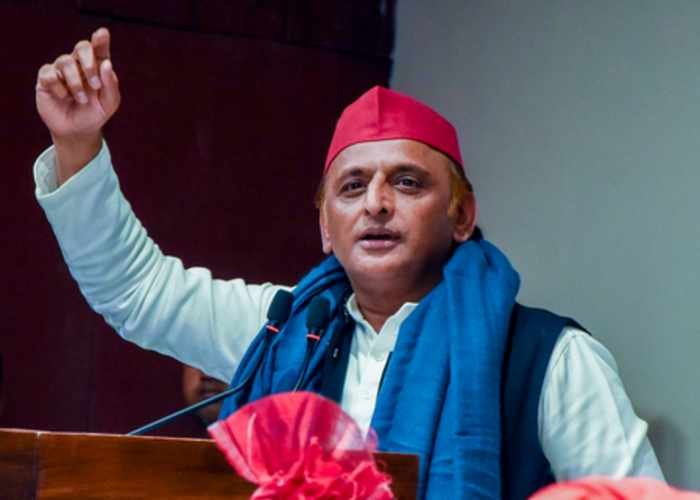
Samajwadi Party president Akhilesh Yadav on Thursday accused the BJP-led Uttar Pradesh government of being anti-reservation after the Uttar Pradesh Public Service Commission (UPPSC) cancelled the results of the Assistant Prosecution Officer (APO) Recruitment 2025 preliminary examination.
Reacting to the development, Yadav said the Allahabad High Court had exposed what he described as the BJP’s anti-reservation stance, adding that the state government could not evade responsibility for the controversy.
In a post on X, the SP chief said the cancellation was necessary to prevent the alleged denial of reservation rights to eligible candidates.
“By cancelling the APO Preliminary Examination 2025 to prevent usurpation of reservation rights, the Allahabad High Court has exposed the BJP’s anti-reservation face and exposed its dark truth,” he wrote.
Yadav claimed that the APO examination was the 22nd recruitment test to be cancelled in Uttar Pradesh under the BJP government. He alleged that providing employment opportunities to young people was not among the ruling party’s priorities.
He also criticised the recruitment process over the treatment of candidates from backward and Dalit communities who qualify for unreserved posts on merit. According to him, restricting such candidates to their respective reserved categories amounted to an attack on the rights of PDA communities — Pichhda, Dalit and Alpsankhyak.
Questioning the accountability of the government, Yadav highlighted the impact of the cancellation on more than 50,000 candidates who appeared for the examination.
He asked who would compensate candidates and their families for the time, money and effort invested in preparation, as well as the mental stress and additional expenses associated with a re-examination.
The SP chief said the BJP government must take responsibility for the situation. He added that if his party came to power, it would ensure strict adherence to reservation and merit rules at every stage of recruitment so that young people would not have to approach courts repeatedly to secure their rights.
 FOLLOW NOW